Protests Erupt Across the U.S. After Minneapolis ICE Shooting

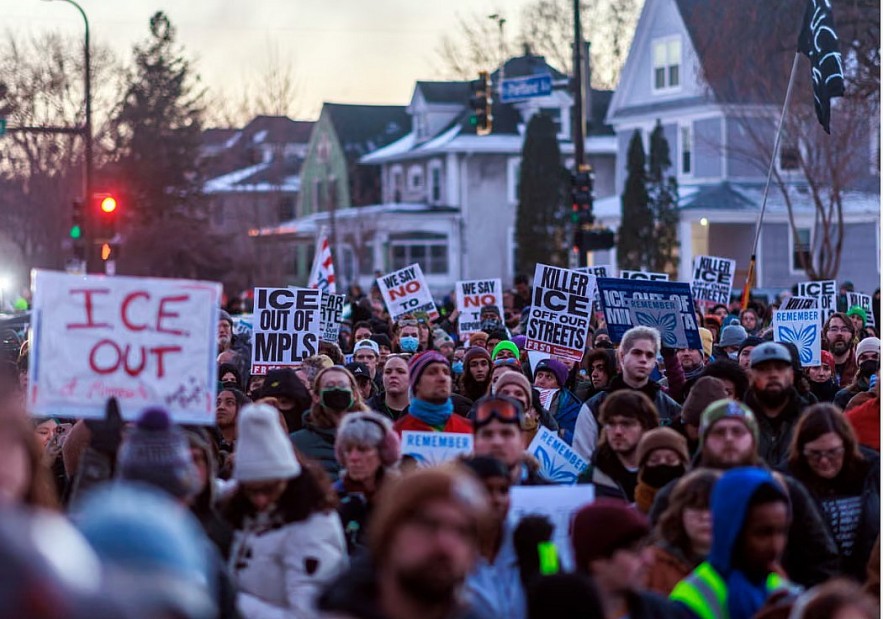 |
| Minneapolis shooting latest: demonstrations and vigils across US after Minnesota woman fatally shot by ICE agent |
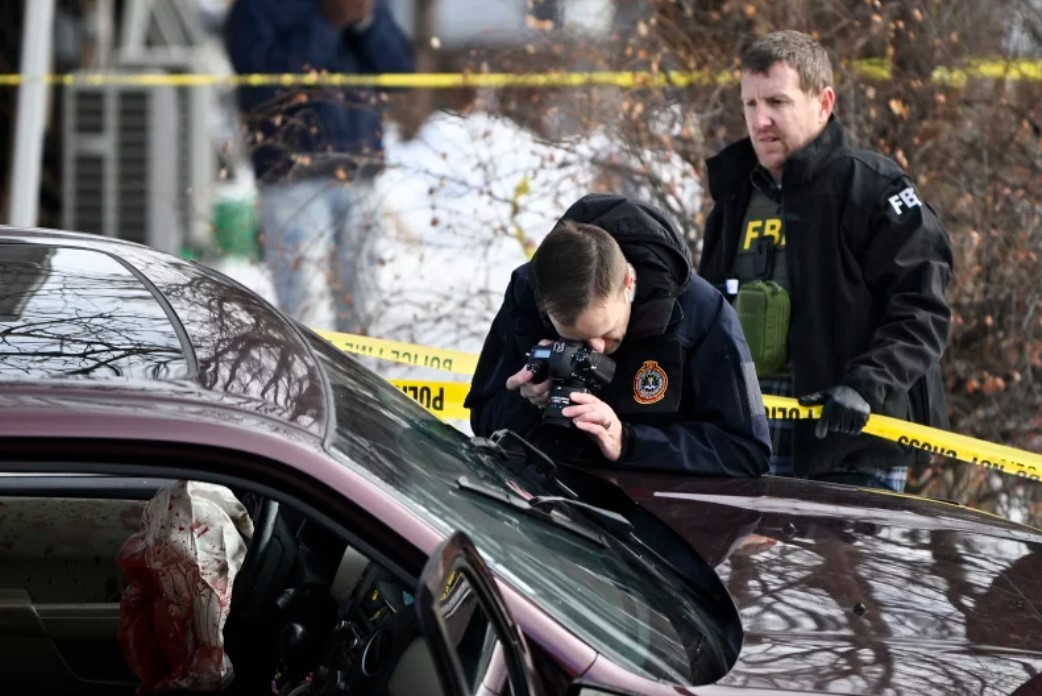
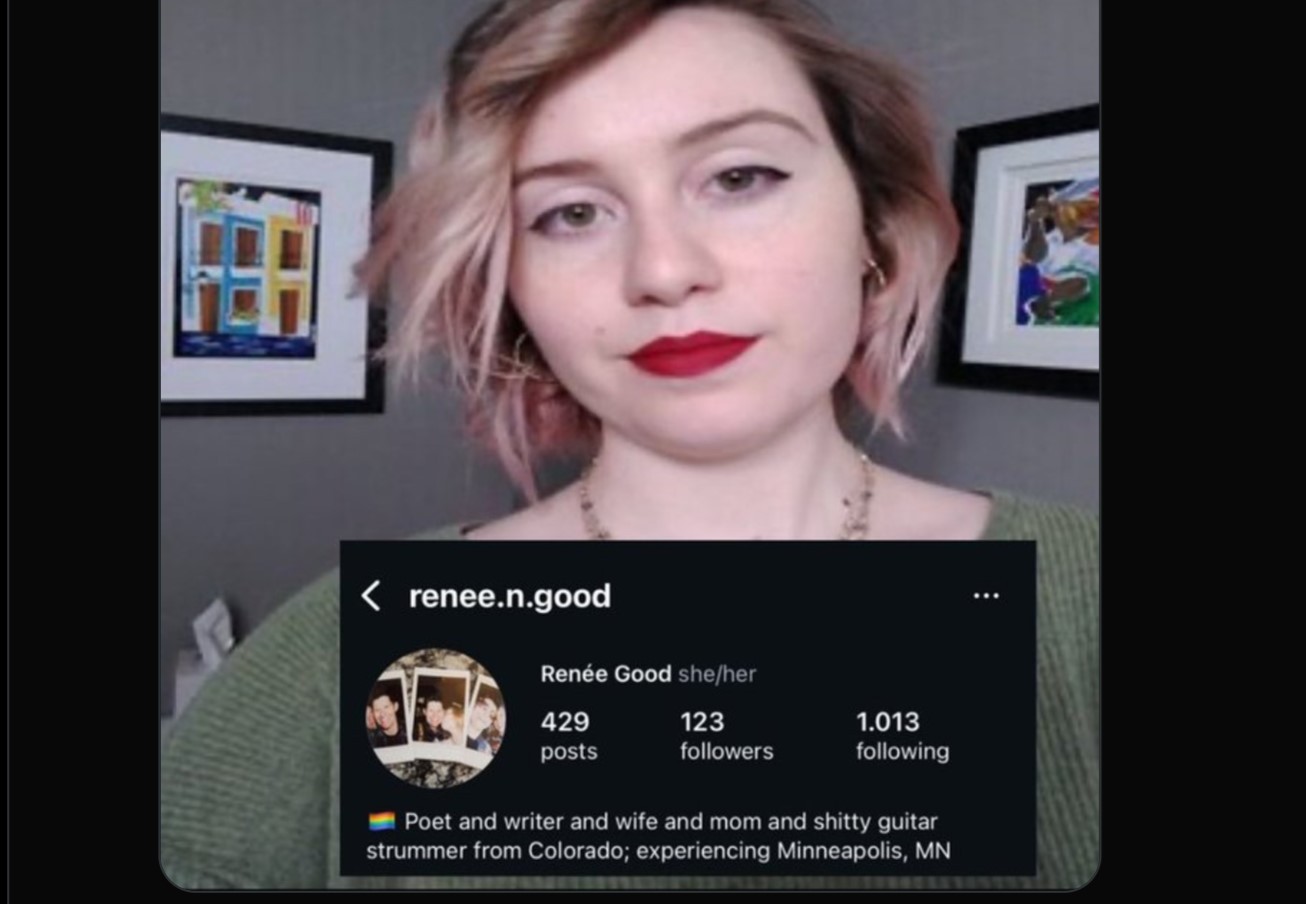
Across the United States, protests, vigils and demonstrations have erupted in the wake of the fatal shooting of Renee Nicole Good by an Immigration and Customs Enforcement agent in Minneapolis — turning a local tragedy into a national flashpoint over federal immigration policy and use of force.
Minneapolis: from vigil to protest
Hundreds marched the streets of Minneapolis on January 7 to mourn Good’s death and protest ongoing federal enforcement operations. Crowds gathered at the residential site where the shooting occurred — near East 34th Street and Portland Avenue — as night fell, lighting candles in the snowy winter night and chanting her name, “ICE out now,” demanding immigration authorities leave the city.
The atmosphere in the Twin Cities has been tense in recent weeks, with Minneapolis residents describing the presence of hundreds of federal agents and repeated confrontations even before the shooting. Many locals called the situation “not normal,” reflecting deeper unease with what some see as an aggressive federal crackdown on immigrant communities.
Read more:
- Renee Nicole Good Built a Life Around Writing and Poetry
- Was the ICE Agent’s Fatal Shooting of Renee Nicole Good Legal?
Nationwide demonstrations and vigils
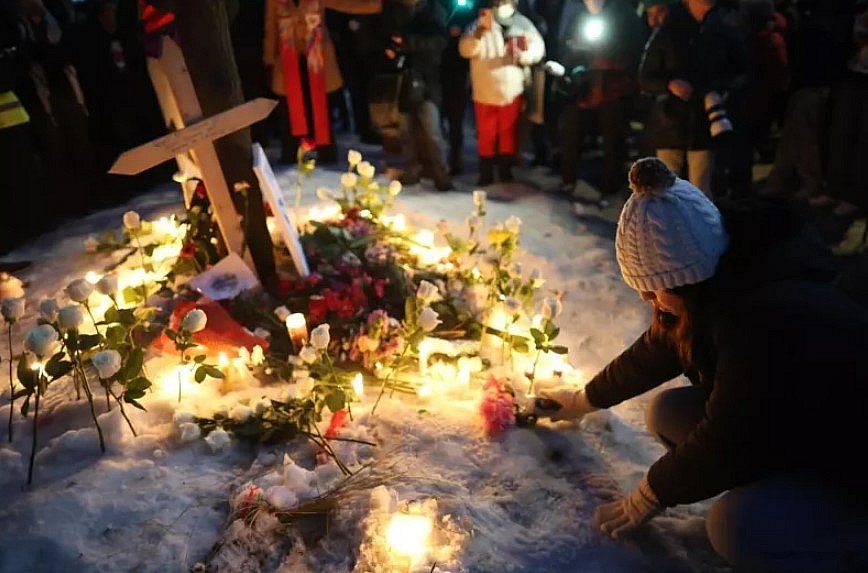 |
| People gather at a makeshift memorial for Renee Good, 37, who was fatally shot by an ICE agent |
The outcry quickly spread beyond Minnesota:
• New York City: Vigils and rallies were held in Foley Square and other public spaces, with crowds denouncing ICE and chanting against federal immigration enforcement.
• San Francisco: Around 200 protesters gathered outside the local ICE office, marching through the Financial District and briefly disrupting traffic while calling for ICE to be held accountable.
• Chicago, Oregon, Arizona and California: Demonstrators organized rides, marches and public gatherings to protest what they described as federal overreach and unnecessary use of lethal force.
In many cities, demonstrators chanted phrases such as “F* ICE”** and “ICE out now!”, while others carried signs demanding justice for Good and support for immigrant rights.
Read more:
- Who Is the ICE Agent Who Shot Renee Nicole Good?
- What Happens When an ICE Agent Fires a Fatal Shot?
Political and social reactions fueling protests
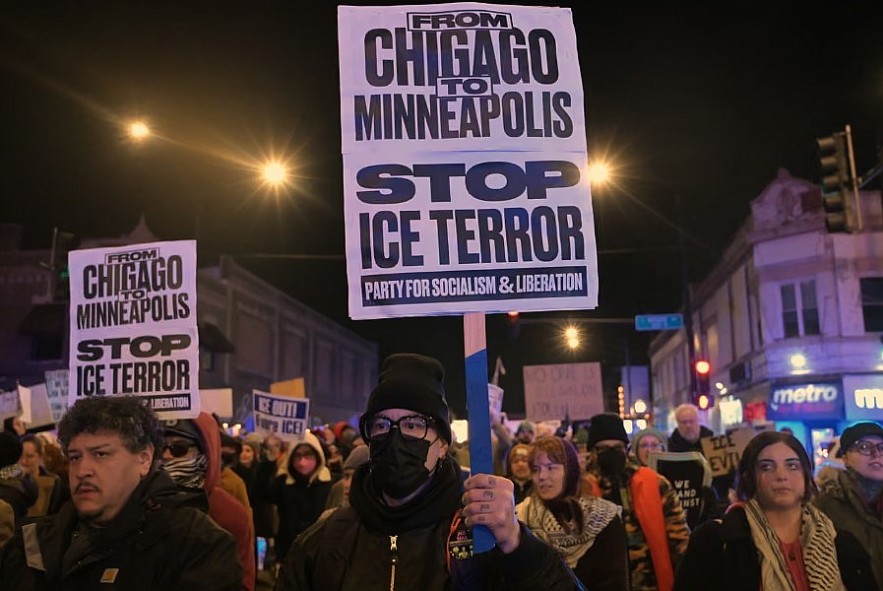 |
| Protest in Little Village after vigil for ICE shooting victim during immigration operation. Photograph: Anadolu/Getty Images |
The protests reflect deep divisions over how federal immigration enforcement should be carried out. Many left-wing and grassroots groups mobilized quickly online, calling for action and framing the shooting as state violence, a narrative that has resonated in multiple communities. Some activists linked the protests to broader issues of policing, federal authority, and civil rights.
At the same time, political leaders have offered sharply contrasting views:
-
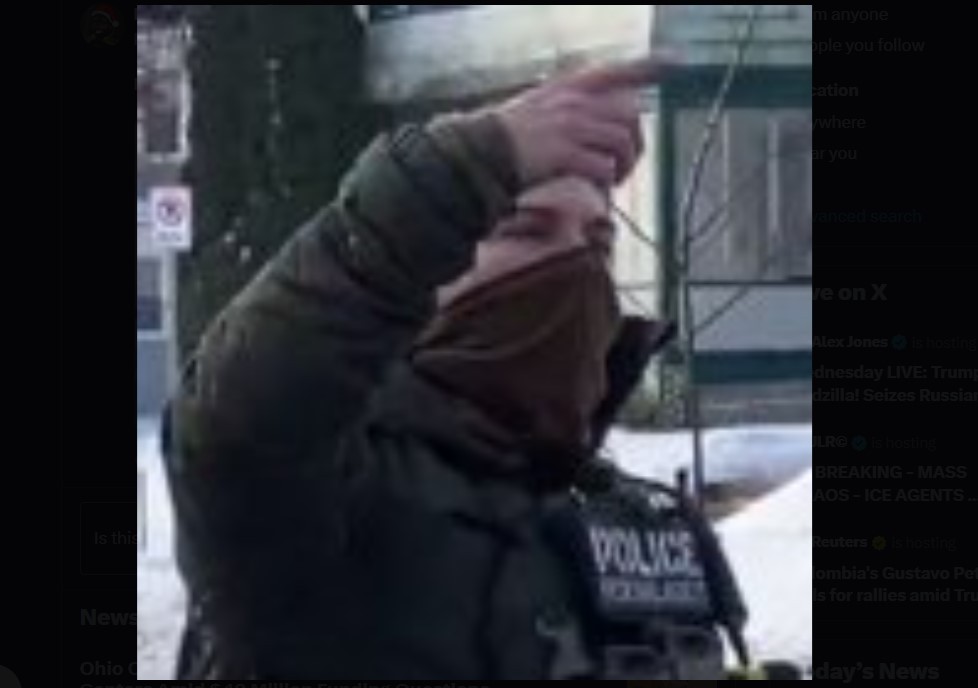
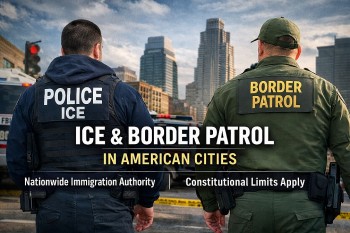
Federal officials, including Department of Homeland Security leaders, have defended the ICE agent’s actions as self-defense, saying the agent was threatened and acted to protect himself and others.
-
State and local leaders, such as Minneapolis Mayor Jacob Frey and Minnesota Gov. Tim Walz, have openly disputed that portrayal and questioned the federal narrative, saying video evidence does not clearly show a justifiable attack.
-
National figures — including Democratic lawmakers — have called for investigations and criticized the federal response, with some labeling the administration’s explanation as “gaslighting.”
More Anti-ICE Protests Planned Nationwide on ThursdayOrganizers say additional anti-ICE protests are planned across the United States on Thursday, as anger continues to build over the fatal shooting of Renee Nicole Good by an immigration enforcement agent in Minneapolis. Demonstrations are expected in New York, North Carolina, Texas, Utah, and California, according to local media reports and protest announcements circulating on social platforms. In North Carolina, the Party for Socialism and Liberation is organizing multiple rallies in the state’s Triangle region. A protest is scheduled for 6 p.m. in Durham, at CCB Plaza, a public square in the city’s downtown area. The same group has also called for a simultaneous rally in Fayetteville, set to take place at 433 Hay Street, also beginning at 6 p.m. In New York City, organizers are planning another round of demonstrations following Wednesday’s large turnout at Foley Square, where crowds marched to 26 Federal Plaza, a major federal complex housing Department of Homeland Security offices. Activist groups said Thursday’s actions would continue to demand accountability from ICE and federal officials. Elsewhere, protest details have surfaced online for rallies in Houston, parts of Utah, and San Diego, though organizers in those cities have not released full schedules publicly. Some groups have described the actions as vigils, while others have called for marches and direct demonstrations outside federal buildings. The growing list of planned protests suggests the Minneapolis shooting has become a national rallying point, with activists framing the incident as part of a broader critique of federal immigration enforcement and the use of force by ICE agents. Law enforcement agencies in several cities said they are monitoring the planned demonstrations but have not announced any major security changes as of Thursday morning. |
A broader issue of national concern
What sets these protests apart from past demonstrations is the rapid coordination across diverse political and activist networks in multiple cities, uniting immigrant rights groups, civil liberties advocates, and left-wing organizers. Demonstrations have not only focused on the shooting itself but also on opposition to large-scale federal immigration operations being conducted without local consent or transparency.
The protests underscore a growing national debate about federal power, civil liberties, and the limits of law enforcement actions — especially when those actions result in the death of a civilian and spark widespread public anger.
As investigations into the shooting continue at both federal and state levels, the demonstrations are likely to persist — not just in Minneapolis but across the country, keeping public attention on one of the most contentious law enforcement controversies of 2026.