Ramadan 2026 in America: What the Holy Month Looks Like Across the U.S.

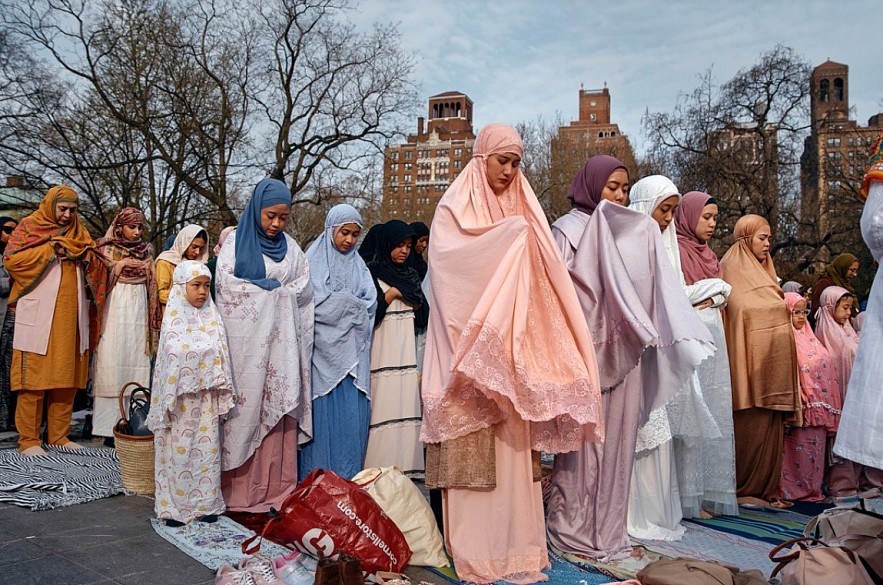 |
| Muslims gather at Washington Square Park in New York for Eid al-Fitr prayers |
Ramadan 2026 in the U.S.Expected key dates (may vary by 1 day): Ramadan begins: Wed, Feb. 18, 2026 (many U.S. calendars) Ramadan ends: Thu, March 19, 2026 (expected) Eid al-Fitr: Fri, March 20, 2026 (expected) Key terms: Suhoor (pre-dawn meal), Iftar (sunset meal), Taraweeh (night prayers) Quick etiquette: “Ramadan Mubarak” during the month; “Eid Mubarak” on Eid. |
Read more: Happy Ramadan: 25 Most Popular Phrases and Pronunciation in Arabic, English
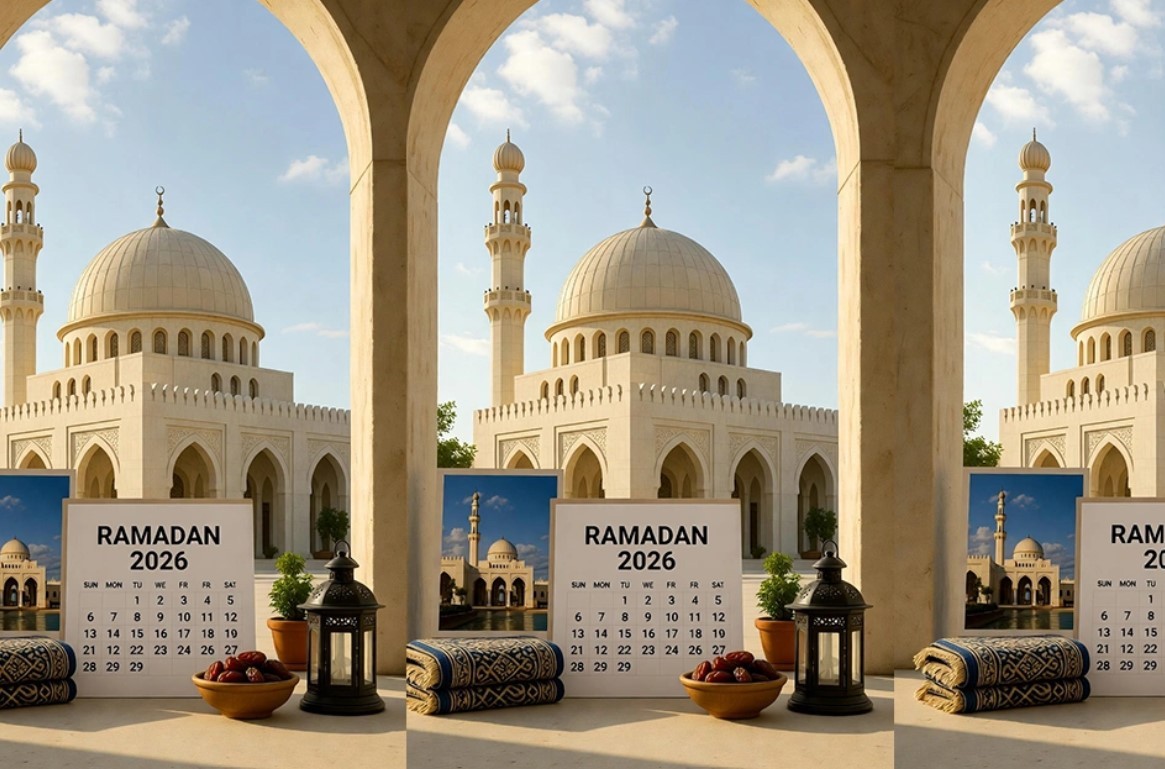
Ramadan 2026 is expected to begin in the U.S. on Wednesday, Feb. 18, 2026, and end around Thursday, March 19, with Eid al-Fitr expected on Friday, March 20 — though the exact start and end can vary by a day depending on moon sighting.
For many Americans, Ramadan becomes visible in small, everyday ways: a colleague skipping the office donuts, a student eating lunch later than usual, or a local mosque advertising a free community iftar at sunset. For the country’s Muslims — roughly about 1% of U.S. adults, according to Pew Research Center — the month is far bigger than a fasting challenge. It’s a full reset of routine, priorities, and community life.
Why the dates aren’t “fixed”
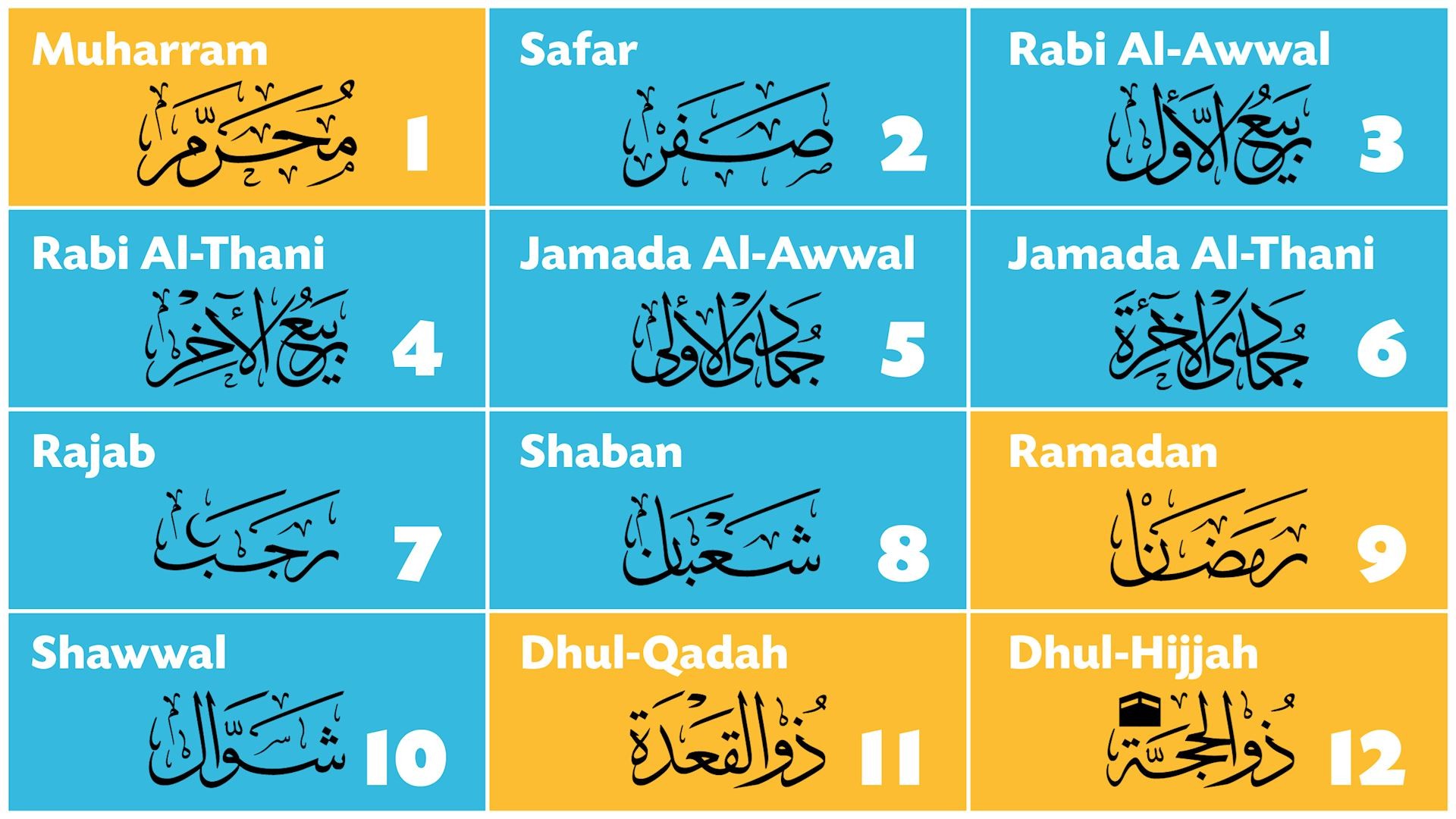
Islam follows a lunar calendar. Ramadan begins when the new month is confirmed, traditionally by sighting the crescent moon. In practice, American communities may use different methods: some follow local moon sighting, others accept global sighting, and many rely on astronomical calculations that publish dates in advance.
That’s why you’ll often hear “expected to start” until local religious authorities or organizations confirm it.
A month that reshapes daily life
Across the U.S., Ramadan days tend to follow a shared rhythm:
-
Suhoor: a pre-dawn meal before fasting begins
-
Fasting: no food or drink from dawn to sunset
-
Iftar: breaking the fast at sunset, often beginning with dates and water
-
Night prayers: many attend Taraweeh, special evening prayers held during Ramadan
In 2026, because Ramadan falls in February–March, fasting days are generally shorter than summer fasts in much of the U.S., which can make the month feel more manageable for people balancing school, shift work, or physically demanding jobs. (Exact daily fasting hours still depend on where you live and when the sun sets.)
Read more: Fasting From Dawn to Dusk: Ramadan 2026 in the American Workplace
What Ramadan looks like in different corners of the country
Metro areas with long-established Muslim communities
In places with dense Muslim populations and many mosques — such as Southeast Michigan (Dearborn area), parts of New York/New Jersey, the DC–Maryland–Virginia region, Houston, Chicago, and the Bay Area — Ramadan can feel like a month-long community season. Nightly mosque traffic increases. Weekends fill with iftars hosted by families, student groups, and community organizations. Grocery stores near Muslim neighborhoods often see a predictable bump in staples used for suhoor and iftar.
You’ll also find a distinctly American twist: interfaith leaders and local officials sometimes attend mosque iftars, and many mosques publicly invite neighbors to “open iftar” nights designed for first-timers.
College towns and smaller cities
In smaller communities, Ramadan can be quieter but still tightly communal. Muslim Student Associations frequently organize iftars, coordinate prayer spaces, and help students manage long days of classes, labs, or sports practices. For many young Muslims — especially those far from family — the mosque becomes both a spiritual center and a substitute living room.
Workplaces and schools
In offices and classrooms, Ramadan is often most visible in scheduling and energy patterns. Some Muslims shift demanding tasks to mornings, schedule meetings earlier, or take shorter lunch breaks. Employers that already think about religious inclusion may offer flexible hours, a private space for prayer, or clarity around taking time off for Eid.
A useful rule of thumb for non-Muslim coworkers: fasting colleagues typically don’t expect others to stop eating. What helps most is simple consideration — avoiding making food-centered events mandatory and being flexible when possible.
Health, hardship, and religious flexibility
Fasting is central to Ramadan, but Islamic tradition also emphasizes avoiding harm. Many people are exempt from fasting in cases such as illness, pregnancy, nursing, travel, or other conditions that would make fasting unsafe. The details vary by individual circumstance and religious guidance, but the principle is consistent: the goal is worship, not injury.
Learn more: Top 55 Frequently Asked Questions And Answers During Ramada
Eid: the day the month turns into a celebration
Ramadan ends with Eid al-Fitr, which begins with a special morning prayer and continues with family visits, gifts for children, and charity. In the U.S., Eid often looks like a cross between a religious holiday and a community reunion: rented banquet halls, packed parking lots at large mosques, and friends taking photos in their best clothes before heading to multiple family gatherings.
FAQs
Why do some American Muslims start Ramadan on different days?
Because communities may follow different methods: local moon sighting, global sighting, or astronomical calculations.
Is Ramadan only about not eating?
No. Muslims also increase prayer, Qur’an recitation, charity, and self-discipline. Fasting is one part of a broader spiritual practice.
Can you drink water while fasting?
No. Traditional Ramadan fasting includes abstaining from both food and drink from dawn to sunset.
How long is Ramadan?
It lasts 29 or 30 days, depending on the lunar calendar and moon confirmation.
How can workplaces be supportive without being awkward?
Offer flexibility when feasible, avoid making lunch events mandatory, and proactively communicate about time off policies for Eid.