When Does Ramadan Start and End in 2026? and What Americans Should Know

 Happy Eid Mubarak: Best Wishes and Great Messages Happy Eid Mubarak: Best Wishes and Great Messages Eid Mubarak everyone! Although the celebrations of Eid Mubarak are limited this year due to COVID-19, everyone can still send the best wishes and greetings ... |
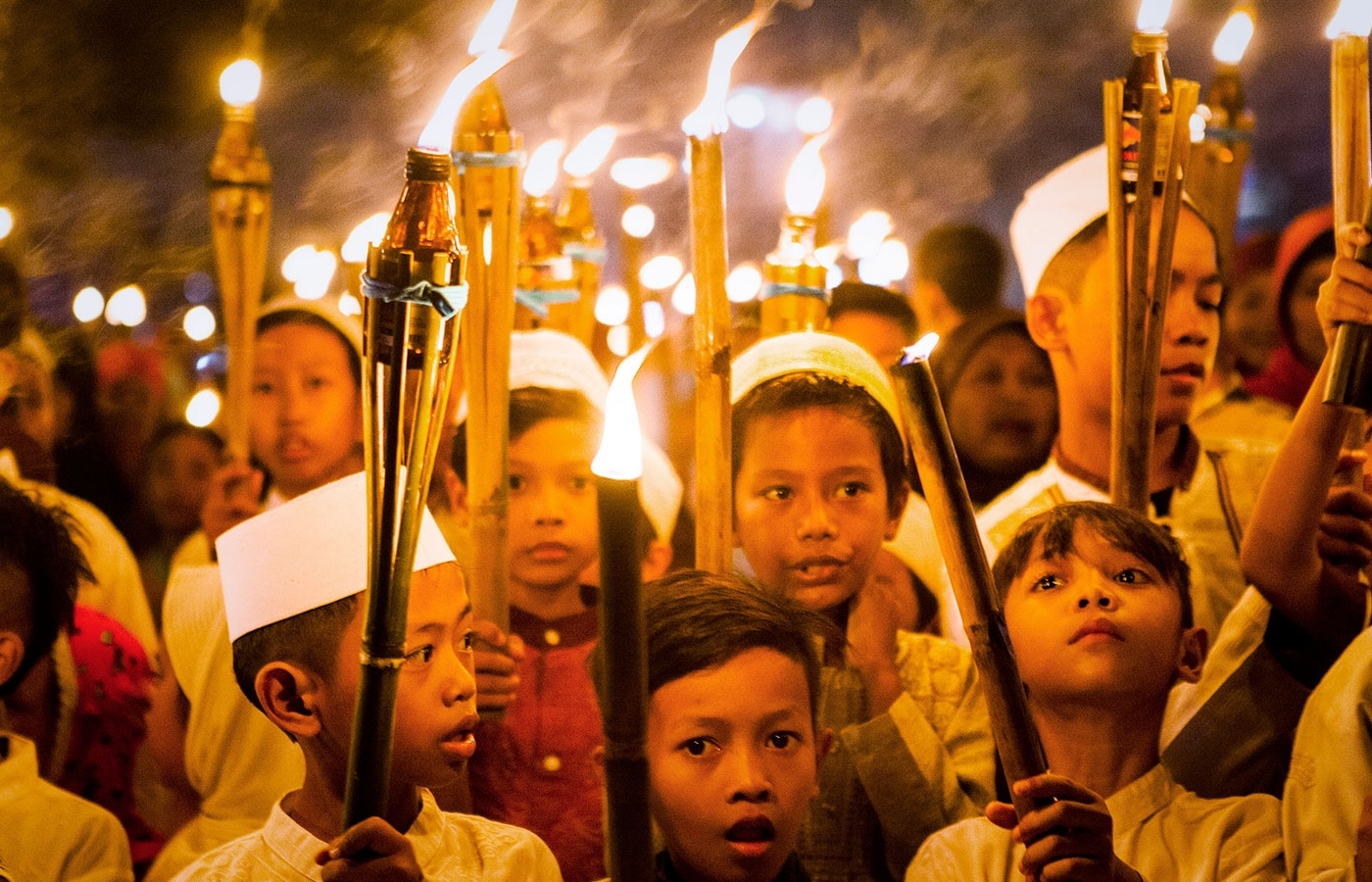 What is Ramadan: Interesting Facts, Traditions and Celebrations What is Ramadan: Interesting Facts, Traditions and Celebrations Ramadan, Islam's holiest month, is coming soon. Let find out with Knowinsiders.com how this Muslim Holy Month is celebrated all over the world! |
 Ramadan Mubarak: Best Wishes, Quotes and Messages for Dear Ramadan Mubarak: Best Wishes, Quotes and Messages for Dear Here is a list of greetings, sayings, and messages to share with your loved ones this Ramadan. |
 How to Say Happy Ramadan in Arabic with 12 Simple Ways How to Say Happy Ramadan in Arabic with 12 Simple Ways There are two best and simplest ways to say 'Happy Ramadan' in Arabic are: Ramadan Kareem and Ramadan Mubarak. However, KnowInsiders also suggests many other ... |
 |
| When Is Ramadan |
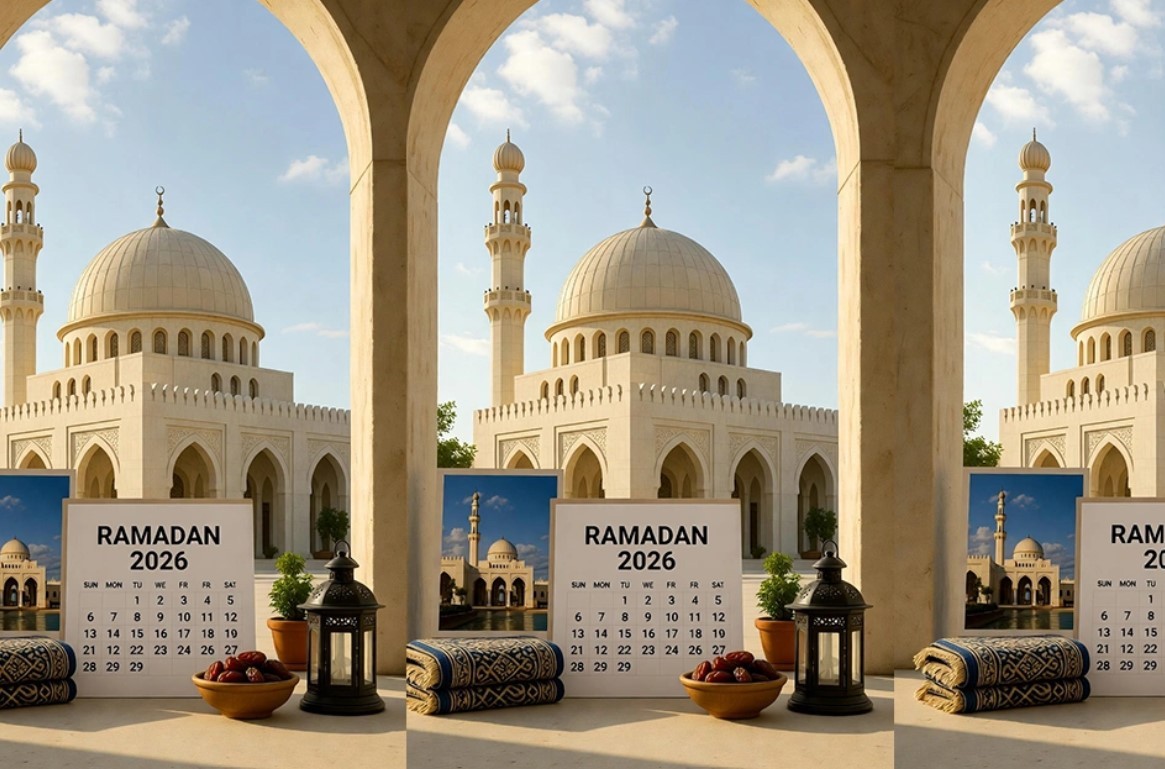
Ramadan, the holiest month in Islam, is expected to begin in the United States on Wednesday, February 18, 2026, and end on Thursday, March 19, 2026, with Eid al-Fitr expected on Friday, March 20, 2026.
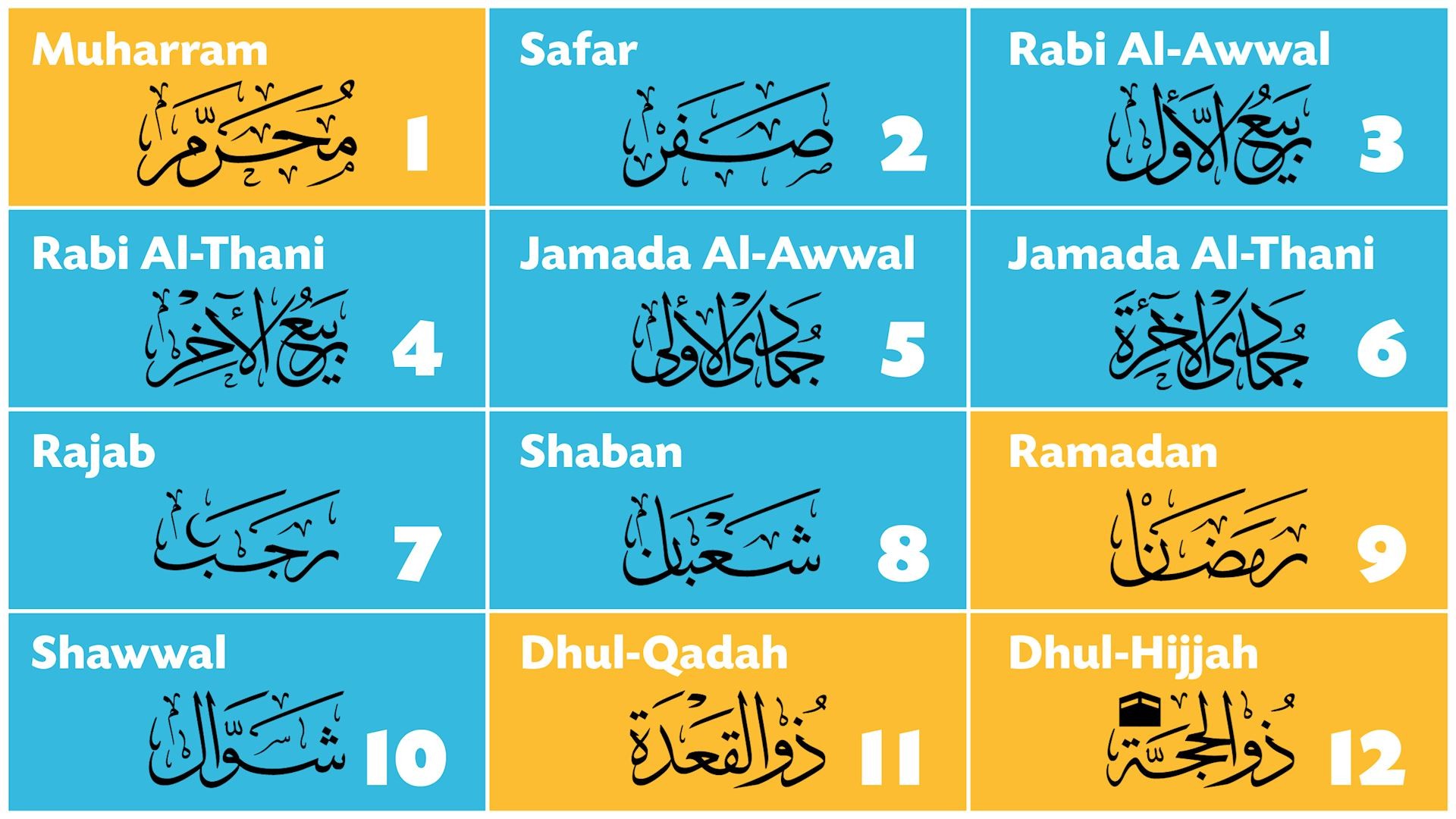
Because the Islamic calendar is lunar, Ramadan does not have a fixed date on the Gregorian calendar. And even within the same city, communities may begin or end Ramadan on slightly different days. That’s not a mistake. It’s the result of different, long-standing methods for confirming the start of a new lunar month: moon sighting versus astronomical calculation.
For 2026, the astronomical new moon occurs on February 17, 2026 (UTC), which is why many North American calendars place the first day of fasting on February 18.
Read more: Happy Ramadan: 25 Most Popular Phrases and Pronunciation in Arabic, English
Ramadan 2026 at a glanceExpected dates (may vary by 1 day):• New moon (astronomical): Tue, Feb. 17, 2026 (UTC) • First day of fasting (many U.S. calendars): Wed, Feb. 18, 2026 • Ramadan expected to end: Thu, March 19, 2026 • Eid al-Fitr expected: Fri, March 20, 2026 Daily rhythm:• Suhoor (pre-dawn meal) • Fast from dawn to sunset (no food or drink) • Iftar (meal to break the fast at sunset) Key idea to remember: Ramadan is not only “not eating.” It’s also about prayer, self-control, gratitude, and generosity. |
Read more: Fasting From Dawn to Dusk: Ramadan 2026 in the American Workplace
What is Ramadan
 |
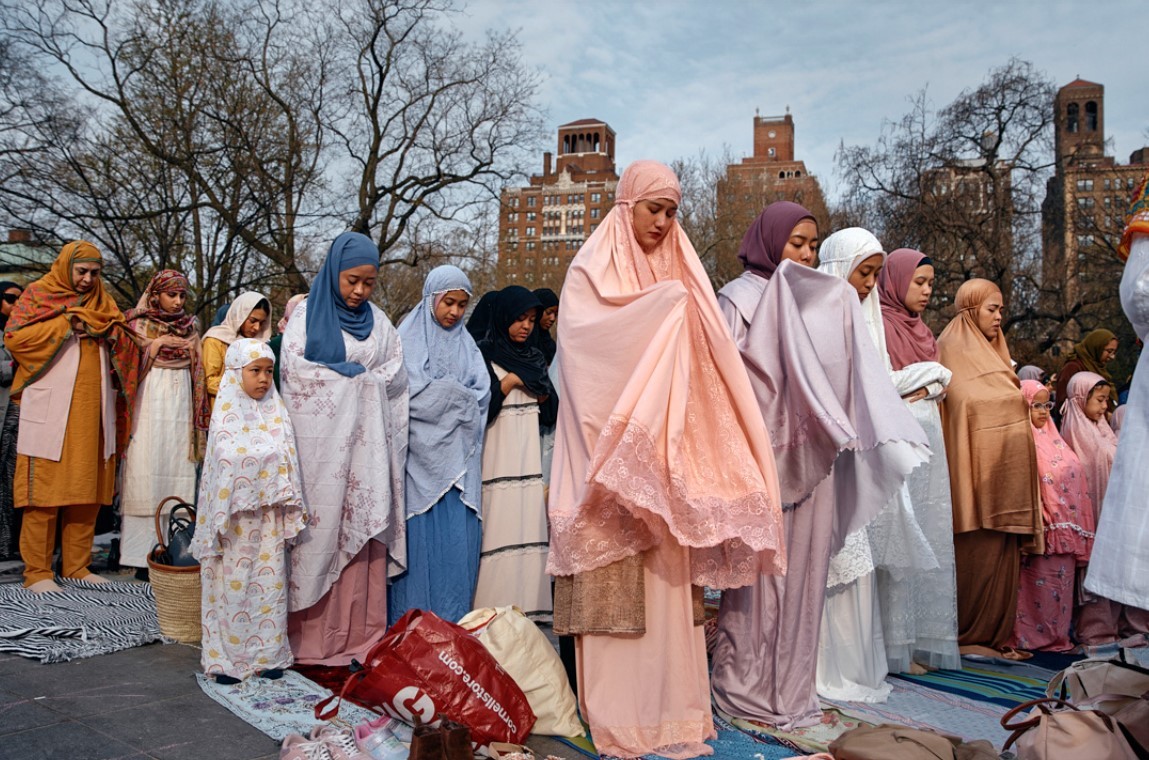
| In the United States, Muslim communities are expected to start their first day of fasting on February 18 for Ramadan 1447 AH |
For Muslims, Ramadan is a month focused on worship and moral reset. It includes:
• Fasting (sawm): a daily fast from dawn to sunset
• Prayer: many Muslims increase daily prayers and attend Taraweeh (special night prayers at the mosque)
• Qur’an: reading and reflecting on the Qur’an is central
• Charity: giving rises during Ramadan, through both formal and informal acts of generosity
A key night in Ramadan is Laylat al-Qadr (“the Night of Power”), believed to fall in the last ten nights of the month. Many Muslims spend those nights in extra prayer and reflection.
Why Ramadan dates can differ
Ramadan begins with the start of a new lunar month. There are two common approaches:
• Moon sighting: Religious authorities confirm the month when the crescent moon is sighted (locally or globally, depending on the community).
• Astronomical calculation: Calendars use astronomy to determine the month’s start in advance.
In practice, you might see one mosque start Ramadan on Feb. 18 while another starts on Feb. 19. Major explainers note that even in places like Mecca, the first fasting day is often described as “likely” until an announcement is made.
In North America, organizations such as the Fiqh Council of North America publish dates ahead of time using calculation methods. For 2026, it announced Wednesday, Feb. 18 as the first day of Ramadan, with Taraweeh beginning the night before.
Learn more: Top 55 Frequently Asked Questions And Answers During Ramada
How fasting works (and who is exempt)
During daylight hours, fasting Muslims do not eat or drink (including water). Many still go to school, sports practices, and full-time jobs. Meals shift to:
• Suhoor: before dawn (often simple, filling, and early)
• Iftar: at sunset (often begins with dates and water, then dinner)
Islam also emphasizes avoiding harm. Many people are exempt from fasting, including those who are ill, traveling, pregnant, nursing, elderly, or menstruating. Depending on the situation, Muslims may make up missed fasts later or give charitable compensation.
Eid ul Fitr marks the end of Ramadan
What Americans often notice during Ramadan
• At work or school: Some Muslims may request flexibility for early mornings, evening prayers, or an Eid day off.
• At sunset: Families and communities gather for iftar; mosques often host open dinners.
• On Eid: You may see new clothes, special prayers, family visits, and charity.
If you’re not Muslim and want to be supportive, a small gesture helps: “Ramadan Mubarak” (Blessed Ramadan) is widely appreciated.
Sidebar: A quick glossary• Ramadan: the Islamic holy month of fasting • Sawm: fasting • Suhoor: pre-dawn meal • Iftar: meal at sunset to break the fast • Taraweeh: special night prayers in Ramadan • Laylat al-Qadr: a highly significant night in the last ten nights • Eid al-Fitr: festival marking the end of Ramadan |
FAQs
When does Ramadan start in 2026 in the U.S.?
Most U.S. calendars list Wednesday, Feb. 18, 2026 as the first day of fasting, though some communities may start Feb. 19 depending on moon sighting.
When does Ramadan end in 2026?
Ramadan is expected to end on Thursday, March 19, 2026, with Eid al-Fitr expected on Friday, March 20, 2026 (subject to confirmation).
Why do the dates move earlier every year?
The Islamic calendar is lunar, so months follow the moon’s cycle, not the solar year.
Why do announcements sometimes come last-minute?
Moon-sighting communities may wait for a confirmed crescent before declaring the start or end of Ramadan.
Do Muslims fast for exactly 30 days?
Ramadan is 29 or 30 days, depending on the lunar cycle and confirmation method.
Can non-Muslims join an iftar?
Yes. Many mosques and families welcome guests. If invited, show up on time (sunset matters), dress modestly, and be open to learning.