US Visa Bond $15,000: Check List of 50 Countries Affected


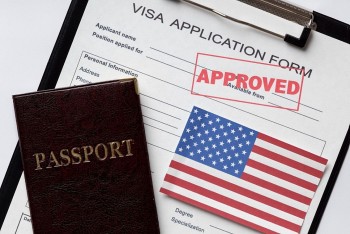

The United States is expanding a controversial immigration policy that may require certain visa applicants to pay a refundable bond of up to $15,000. The measure, set to take effect on April 2, 2026, now applies to travelers from 50 countries, including 12 newly added nations.
The policy targets applicants for B1/B2 visas, which are typically issued for tourism and short-term business travel.
Read more: Full List: U.S. Widens $15,000 Visa Bond Rule to 38 Countries
 |
| US Visa Bond Policy Expanded: Check List of Countries Affected |
What Is the US Visa Bond Requirement?
Under the new rule, some applicants will be asked to deposit between $5,000 and $15,000 as a form of financial guarantee.
This bond works as a compliance mechanism:
-
It does not guarantee visa approval
-
It is refundable if:
-
The visa is denied
-
The traveler does not enter the US
-
The visitor leaves the US before their authorized stay expires
-
However, failure to comply with visa terms could result in forfeiture of the bond.
Which Countries Are Affected?
The latest update adds 12 new countries to the existing list. These include:
-
Cambodia
-
Ethiopia
-
Georgia
-
Grenada
-
Lesotho
-
Mauritius
-
Mongolia
-
Mozambique
-
Nicaragua
-
Papua New Guinea
-
Seychelles
-
Tunisia
With this expansion, the total number of affected countries rises to 50, though US authorities have not published a single consolidated list in all announcements.
Why Is the US Implementing This Policy?
According to US officials, the primary goal is to reduce visa overstays, a long-standing issue in immigration enforcement.
Government data suggests that:
-
A large majority of travelers comply with visa rules
-
But a small percentage who overstay can create administrative and legal challenges
The bond is intended to act as a financial incentive to follow visa conditions, particularly departure deadlines.
Who Will Be Asked to Pay the Bond?
Not all applicants from the listed countries will automatically be required to pay.
Instead, consular officers will assess each case individually, considering factors such as:
-
Previous travel history
-
Immigration compliance record
-
Risk of overstaying
This means two applicants from the same country could face different requirements.
Criticism and Concerns
The policy has drawn criticism from immigration experts and advocacy groups.
Key concerns include:
Financial Barriers
A bond of up to $15,000 is prohibitively expensive for many applicants, especially from developing countries. Critics argue this could effectively block access to travel for large groups of people.
Risk of Discrimination
Some analysts say the policy may disproportionately affect non-Western and lower-income nations, raising concerns about fairness and equal treatment.
Limited Transparency
There are also questions about how applicants are selected for the bond requirement, as decisions are made case by case with limited public criteria.
What This Means for Travelers
If you are planning to apply for a US tourist or business visa, here’s what to keep in mind:
-
You may be asked to pay a bond, depending on your profile
-
The amount can be as high as $15,000
-
You will get the money back if you follow all visa rules
-
The requirement is not universal, even within affected countries
For many travelers, this adds a new layer of uncertainty and financial planning to the visa process.
Bigger Picture: A Shift in US Immigration Policy
This move reflects a broader trend toward stricter immigration controls, even for short-term visitors.
Rather than tightening eligibility rules directly, the US is using financial guarantees to enforce compliance. Supporters say this is practical and effective. Critics see it as a barrier that favors wealthier applicants.
38 Countries Previously Subject to the US Visa Bond Program
Before the latest expansion to 50 countries, the US visa bond requirement already applied to the following 38 nations:
Africa
-
Algeria
-
Angola
-
Benin
-
Botswana
-
Burundi
-
Cabo Verde
-
Central African Republic
-
Côte d’Ivoire
-
Djibouti
-
Gabon
-
Guinea
-
Guinea-Bissau
-
Lesotho
-
Malawi
-
Mauritania
-
Namibia
-
Nigeria
-
Senegal
-
Tanzania
-
The Gambia
-
Togo
-
Uganda
-
Zambia
-
Zimbabwe
Asia
-
Bangladesh
-
Bhutan
-
Kyrgyzstan
-
Nepal
-
Tajikistan
-
Turkmenistan
Latin America & Caribbean
-
Antigua and Barbuda
-
Cuba
-
Dominica
-
Venezuela
Pacific
-
Fiji
-
Tonga
-
Tuvalu
-
Vanuatu
This list formed the core of the program prior to March 2026, before the addition of 12 more countries brought the total to 50.
Bottom Line
The new US visa bond policy marks a significant shift in how short-term travel is regulated.
-
Up to $15,000 may be required upfront
-
The rule now affects 50 countries
-
It aims to reduce overstays but raises concerns about fairness and access
If you’re considering travel to the US, it’s important to check the latest requirements carefully and be prepared for possible additional costs.