Who Is Minnesota Protester Nekima Levy Armstrong? And Altered Photo Controversy

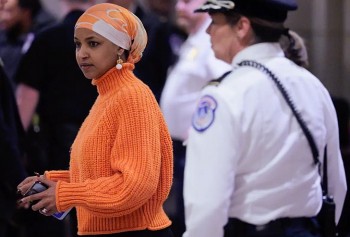

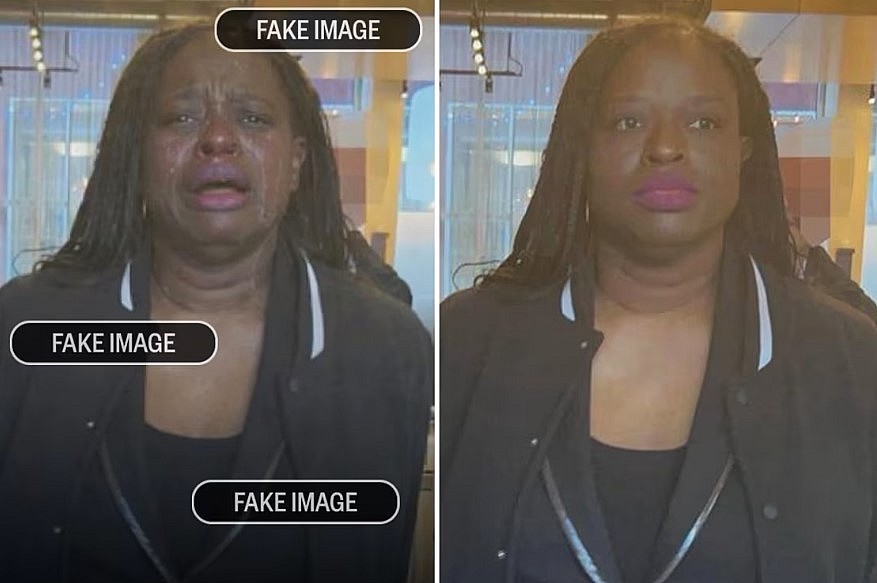 |
| An altered photo of arrested Minnesota protester Nekima Levy Armstrong |
Controversy Over an Altered White House Image
Nekima Levy Armstrong became a national figure in January 2026 after the White House shared an altered image of her arrest, triggering sharp criticism from journalists, legal experts, and civil liberties advocates.
The image, posted on official White House social media accounts, showed Armstrong appearing tearful and emotionally distressed as she was taken into custody by federal agents in Minnesota. Side-by-side comparisons later revealed that the original photograph showed Armstrong calm and composed, with no visible tears. Critics said the altered version exaggerated her emotional state and misrepresented the circumstances of her arrest.
The White House acknowledged the image had been edited but defended the post as political messaging, calling it a “meme.” The response intensified debate over the use of manipulated images by government institutions, especially in cases involving political dissent. Media watchdogs warned that such practices risk eroding public trust and blurring the line between official communication and propaganda.
Armstrong’s legal team said the image unfairly portrayed her as unstable and was intended to discredit her activism rather than inform the public.
Who Is Nekima Levy Armstrong?
Nekima Levy Armstrong is a longtime civil rights attorney, activist, and former law professor based in Minnesota. Born in 1976 in Jackson, Mississippi, she spent part of her childhood in Los Angeles before later settling in Minneapolis.
She earned her undergraduate degree from the University of Southern California and her law degree from the University of Illinois College of Law. Armstrong built her early career in academia, teaching law at the University of St. Thomas in Minneapolis from 2003 to 2016, where she focused on civil rights, constitutional law, and social justice.
Beyond the classroom, Armstrong developed a reputation as a highly visible and often confrontational advocate for racial equity and police accountability.
Activism and Leadership in Minnesota
Armstrong rose to broader public attention during the mid-2010s amid nationwide protests over police killings of Black Americans. She served as president of the Minneapolis NAACP from 2015 to 2016, leading demonstrations and legal actions following the killing of Jamar Clark by Minneapolis police.
She was among the first protesters arrested during a 2015 blockade of Interstate 94, a protest that temporarily shut down one of the city’s main highways. Supporters praised her willingness to engage in civil disobedience, while critics accused her of disruptive tactics.
In 2017, Armstrong ran for mayor of Minneapolis, positioning herself as a progressive alternative focused on racial justice, housing equity, and police reform. She did not win, but her campaign further cemented her public profile.
The St. Paul Church Protest and Arrest
The latest controversy stems from a January 2026 protest at a church in St. Paul, where Armstrong and other activists interrupted a religious service to protest U.S. immigration enforcement policies and alleged ties between church leadership and **U.S. Immigration and Customs Enforcement (ICE).
Federal authorities said the protest crossed legal boundaries by disrupting worship and interfering with congregants’ rights. Armstrong and two others were arrested on federal charges related to conspiracy and interference with civil rights.
Video footage released by supporters shows Armstrong being arrested without resistance. A federal judge later ordered her release while declining to approve additional detention requests, allowing her to return home under standard legal conditions.
Public Reaction and Legal Implications
Civil rights organizations, free speech advocates, and several lawmakers criticized the arrest, arguing it criminalized protest and targeted activists for political reasons. Others defended law enforcement’s actions, saying religious services deserve legal protection from disruption.
Legal experts note that while the underlying protest case will be decided in court, the altered White House image may have longer-term consequences, raising questions about ethics, misinformation, and the power of visual media in shaping public opinion.
Why Armstrong’s Case Matters
For supporters, Nekima Levy Armstrong represents a tradition of civil rights lawyering rooted in protest and direct action. For critics, she embodies activism that pushes legal and social boundaries.
Regardless of perspective, her arrest — and the controversy surrounding how it was portrayed — has made her a symbol in a broader national debate about protest rights, government transparency, and political messaging in the digital age.
As her legal case moves forward, Armstrong’s name is likely to remain in the spotlight, not only for what she did, but for how power chose to show it.