Who Was Serial Killer Christopher Wilder? New Evidence Links the “Beauty Queen Killer” to More Murders in the US and Australia



 |
| A new investigation names serial killer Christopher Wilder as the culprit behind the infamous Wanda Beach murders in Australia in 1965 |
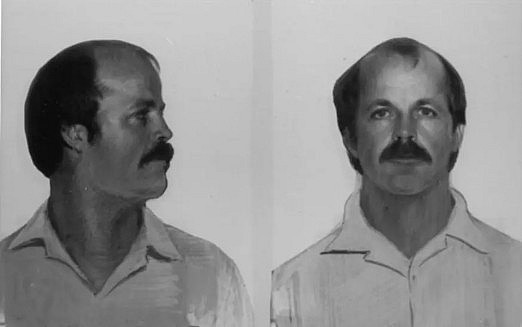
Christopher Bernard Wilder (1945–1984) was one of the most notorious serial killers in modern U.S. and Australian criminal history.
Known widely in the United States as the “Beauty Queen Killer” and sometimes the “Snapshot Killer,” Wilder’s crimes spanned continents and decades. While he was long known for a brutal six-week killing spree in America in 1984, new investigative breakthroughs now suggest he may also be responsible for one of Australia’s most infamous cold cases — the Wanda Beach murders of 1965 — and possibly additional victims in both countries.
Read more: Top 13 Most Notorious Serial Killers In The World Of All Time
Early Life and Criminal Pattern
Christopher Wilder was born on March 13, 1945, in Sydney, New South Wales, Australia, to an Australian mother and an American naval officer. While official biographical details are limited, early accounts and police records suggest Wilder’s violence began in his teens. At 17, he was involved in a gang rape on a Sydney beach and was sentenced to a psychiatric institution rather than prison — a decision that would have lasting consequences.
In 1969, Wilder emigrated to the United States and later settled in Florida. He presented himself as a successful real estate investor, race car driver, and photography enthusiast, cultivating a charismatic exterior. But beneath the façade was a pattern of sexual violence and predation that continued for years.
 |
| Marianne Schmidt (left) and Christine Sharrock were found dead on Wanda Beach near Sydney on Jan. 12, 1965. |
Modus Operandi: Charm and Deception
Wilder’s primary method of luring victims was his charm, good looks, and a camera. He would approach young women — especially aspiring models — at malls, beaches, and public events, offering photo sessions or modeling opportunities. This photographer persona earned him the nickname “Snapshot Killer.” Once trust was established, he would abduct his victims and travel with them across state lines.
The 1984 U.S. Killing Spree
Between February 26 and April 13, 1984, Wilder abducted at least 12 women and girls across the United States, murdering at least eight. His known victims included aspiring models and everyday young women, many of whom vanished after brief encounters.
One of his most harrowing cases was the kidnapping of Tina Marie Risico, a 16-year-old who survived nine days in his captivity and provided critical insight into his behavior. Riesico’s story was later dramatized and shared in documentaries and renewed interest in his crimes.
Wilder’s rampage criss-crossed the country, from Florida to California and back toward the Northeast. He lured, assaulted, and killed his victims with escalating violence; at least three women survived encounters with him, providing crucial testimony.
His spree ended on April 13, 1984, in Colebrook, New Hampshire, when state troopers attempted to stop him. During a struggle, Wilder was shot and killed, bringing his violent run to a close.
Read more: Who was Jeffrey Dahmer: Full List of Victims and True Story Behind Netflix's Series
Recent Investigative Breakthrough: The Wanda Beach Murders
In January 2026, Australian investigators announced a significant development in one of that country’s most haunting cold cases: the 1965 Wanda Beach murders. On January 11, 1965, two 15-year-old friends — Marianne Schmidt and Christine Sharrock — were found murdered on a Sydney beach. The case, marked by brutal violence and intense media attention, had remained unsolved for decades.
After an eight-year investigation led by journalists and true-crime researchers, Christopher Wilder was identified as the primary suspect. Investigators assert that Wilder — who lived near the victims and frequented beaches as a youth — matched witness descriptions and had patterns of predatory behavior consistent with the crime. The team behind the podcast Catching Evil claims to have traced Wilder’s movements and linked him to a potential “secret U.S. killing ground” and many more victims than previously known, suggesting his total victim count may rival that of notorious American serial killer Ted Bundy.
While the case has not been legally concluded, the New South Wales Police’s Justice Project now lists Wilder as the sole compelling suspect, having ruled out other leads using modern investigative techniques.
Missing Forensic Evidence
Despite the promising investigative leads, a crucial piece of forensic evidence — semen-stained clothing from one of the victims — has gone missing from police records. Its recovery, proponents say, could definitively tie Wilder to the Wanda Beach murders. Efforts are underway to locate or re-examine this evidence.
Victims and Legacy
Christopher Wilder’s confirmed victims include young women whose bodies were found across several U.S. states. Investigators and survivors alike remember the terror of his crimes, with some families now speaking publicly through podcasts and media about their lost loved ones. One such victim, Terry Ferguson, who was killed in 1984, has become a focal point of renewed attention — her mother recently breaking decades of silence in connection with the Catching Evil investigation.
Wilder’s life and crimes have also inspired books, podcasts, and television adaptations that explore not only the brutality of his offenses, but also the law-enforcement missteps that allowed him to evade justice for so long. His ability to avoid prison — even after early signs of violence — is often cited as a warning about gaps in the justice system’s treatment of sexual predators.
Conclusion
Christopher Bernard Wilder stands out in criminal history as a chilling example of a predator whose crimes spanned countries and decades. The latest investigative breakthroughs — including the potential linkage to the Wanda Beach murders — have reshaped understanding of his trajectory and expanded the scope of his violence. As researchers push for missing evidence to be recovered and cases to be solved, Wilder’s legacy continues to raise questions about justice, memory, and closure for victims and their families.