Why the UK Reversed Its Plan to Let AI Use Copyrighted Works




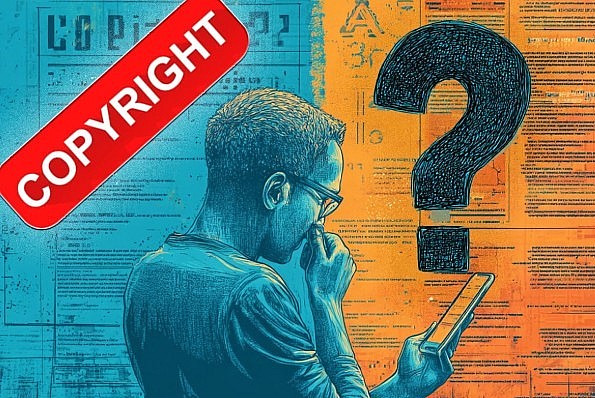 |
| UK U-turn on AI use of copyrighted work |
The move follows strong backlash from artists, musicians, and writers, and highlights a growing global debate over how to balance innovation with creative rights.
Strong Opposition from the Creative Industry
The original proposal introduced an “opt-out” system. Under this model, AI developers could freely use copyrighted works unless creators explicitly refused. While intended to support rapid AI development, critics argued it shifted the burden unfairly onto creators.
High-profile figures in the music and arts industries, alongside organizations such as UK Music and the Society of Authors, voiced concerns that the system would enable widespread use of creative work without proper consent or compensation. Many warned that it could undermine livelihoods, especially for independent creators who may lack the resources to monitor or enforce opt-outs.
Concerns Over Fair Compensation and Control
At the heart of the issue is control. Creators want the right to decide how their work is used and to be fairly paid for it. The proposed system raised fears that AI companies would benefit commercially from vast amounts of creative content without sharing value with its original authors.
This concern is not just theoretical. AI models rely heavily on large datasets, often including text, music, and images sourced from existing works. Without clear rules, the line between inspiration and exploitation becomes blurred.
Government Reconsiders Its Approach
In response to mounting criticism, the UK government announced it would no longer pursue the opt-out approach as its preferred option. Instead, it has reopened discussions and is considering alternative frameworks, including licensing systems that would require AI developers to obtain permission before using copyrighted material.
Officials are also exploring additional safeguards, such as clearer labeling of AI-generated content and protections against misuse, including deepfakes.
A Broader Debate on AI and Copyright
The UK’s reversal reflects a wider global challenge. On one hand, flexible data access can accelerate AI innovation and economic growth. On the other, failing to protect intellectual property risks damaging the very industries that produce valuable content.
Striking the right balance will be critical. Policies that support both technological progress and fair compensation for creators are likely to shape the future of AI development.
Conclusion
The UK’s decision to rethink its AI copyright proposal underscores the importance of listening to creative communities. As governments worldwide grapple with similar issues, one thing is clear: sustainable AI innovation must go hand in hand with respect for human creativity.