Coldest Night of the Season: Rain, Snow Mix and Dangerous Cold Hit New York

 |
| A cold front will usher in bone-chilling temperatures and a possible wintry mix of rain and snow in New York City on Thursday |
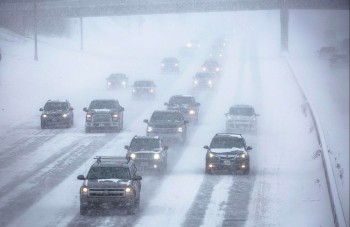
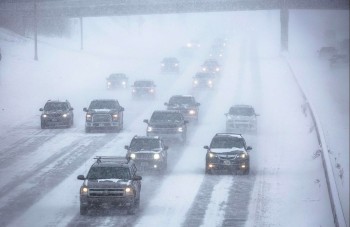
New York City and much of the Northeast are heading into a sharp winter turn, with forecasters warning that the coldest night of the season so far is expected late Thursday into early Friday. The shift comes as a strong blast of Arctic air pushes into the region, bringing a mix of rain and snow, falling temperatures, and potentially hazardous travel conditions.
According to the National Weather Service, a powerful cold front is sweeping across the Mid-Atlantic and Northeast, marking a clear transition from relatively mild January weather to more typical winter conditions. While the system is not expected to produce heavy snow totals in New York City, the combination of precipitation and plunging temperatures could still create problems.
Rain and Snow Mix Ahead of the Freeze
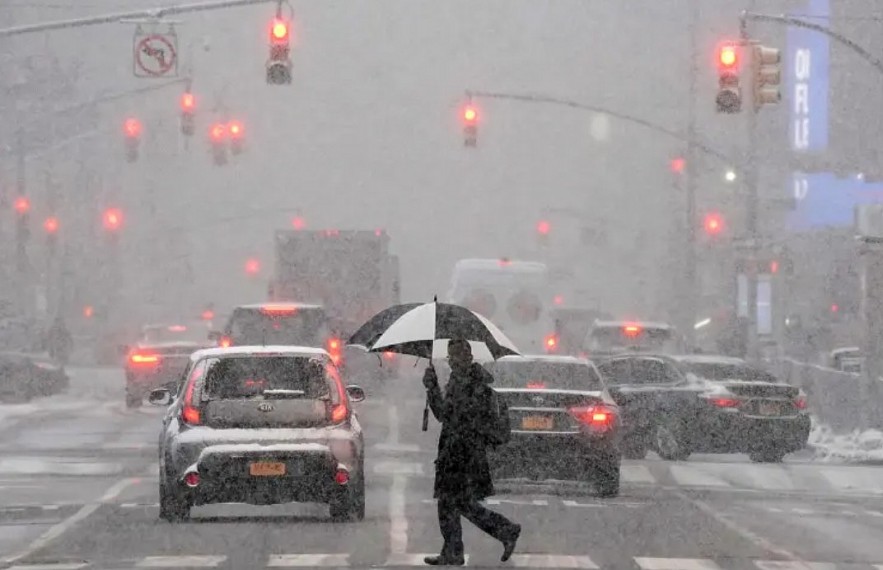
On Thursday, conditions are expected to turn unsettled across New York City and surrounding areas. Forecasters say periods of light rain are likely early in the day, with temperatures hovering just above freezing. As colder air moves in, that rain may briefly mix with wet snow or sleet, especially during the afternoon and early evening.
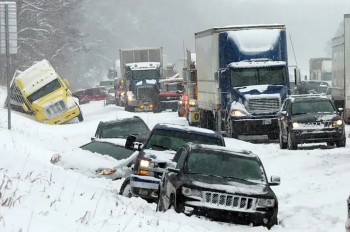
Meteorologists stress that any snow accumulation should be minimal for the city itself. However, even light precipitation can become an issue once temperatures drop. Wet road surfaces may freeze overnight, leading to patchy ice, particularly on bridges, overpasses, and less-traveled roads.
Coldest Night of the Winter So Far
The bigger concern comes after sunset Thursday. As skies begin to clear and winds increase, temperatures are forecast to fall rapidly. Overnight lows in the city are expected to dip into the mid-20s Fahrenheit, making it the coldest night New Yorkers have experienced so far this winter.
With gusty winds, the wind chill will make it feel even colder, especially late at night and early Friday morning. In outlying suburbs and inland areas, temperatures could fall even lower, increasing the risk of frozen pipes and icy conditions.
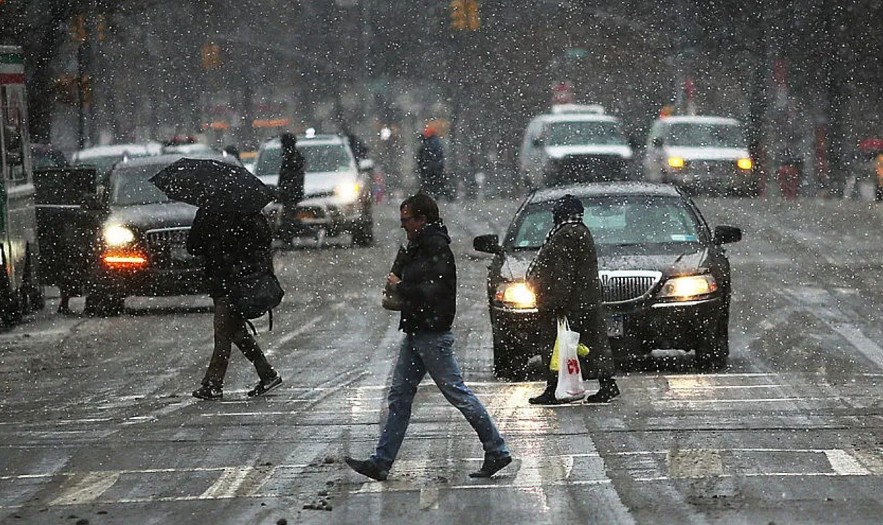 |
| Coldest Night in New York City |
Friday Stays Cold, But Drier
By Friday, the storm system will move offshore, bringing drier weather but little relief from the cold. Sunshine is expected to return, yet high temperatures are forecast to remain in the mid-30s, well below seasonal averages. The lingering chill will keep any untreated icy spots from melting quickly, extending travel risks into the morning commute.
Weather officials note that while conditions improve later in the day, the cold air mass will remain in place through the start of the weekend. Overnight temperatures will continue to dip below freezing, reinforcing winter’s grip on the region.
Safety and Travel Concerns
Authorities urge residents to take the cold seriously, even though this is not a major snowstorm. A light rain-and-snow mix followed by a hard freeze can be deceptively dangerous.
Drivers are advised to slow down, allow extra stopping distance, and be especially cautious late Thursday night and early Friday. Pedestrians should also watch for slick sidewalks and steps, particularly in shaded areas where ice is harder to spot.
Health officials remind residents to dress in layers, limit prolonged exposure to the cold, and check on vulnerable neighbors, including older adults and those without reliable heating.
Looking Ahead
The National Weather Service says no major winter storms are expected immediately after this system, but the overall pattern suggests colder-than-average temperatures may linger into the coming days. Forecasters will continue to monitor the potential for additional weak systems that could bring light snow or flurries.
For now, the message is clear: winteris asserting itself across New York. Even without heavy snow, the combination of rain, a brief wintry mix, and the coldest temperatures of the season is enough to warrant caution.
Residents are encouraged to stay informed through official forecasts and prepare for a sharp reminder that January weather can change quickly — and overnight cold can be just as disruptive as a snowstorm.