Happy New Year 2026 for Introverts: Celebrating Without the Noise

 Happy New Year 2026: How Americans Are Quietly Redefining New Year’s Traditions Happy New Year 2026: How Americans Are Quietly Redefining New Year’s Traditions |
 Happy New Year 2026 Without Resolutions: Why Americans Are Letting Them Go Happy New Year 2026 Without Resolutions: Why Americans Are Letting Them Go |
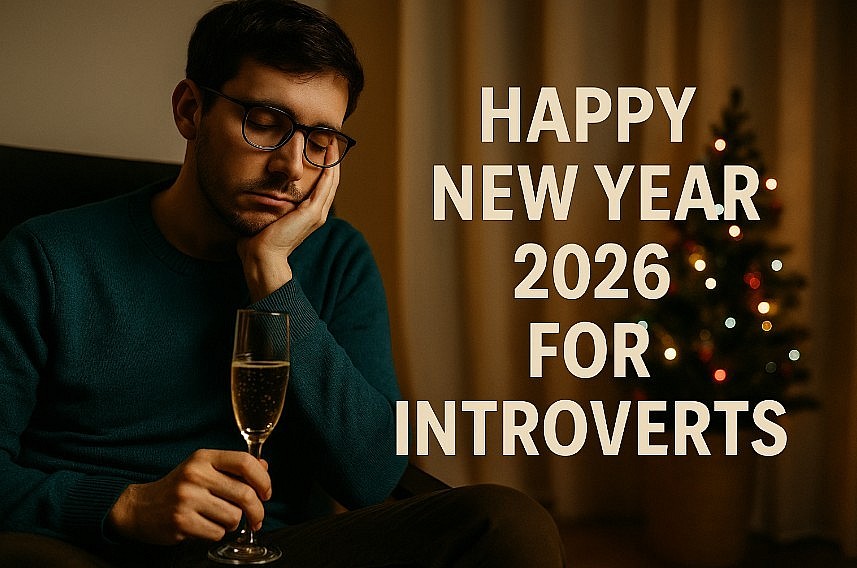 |
| Happy New Year 2026 for Introverts |
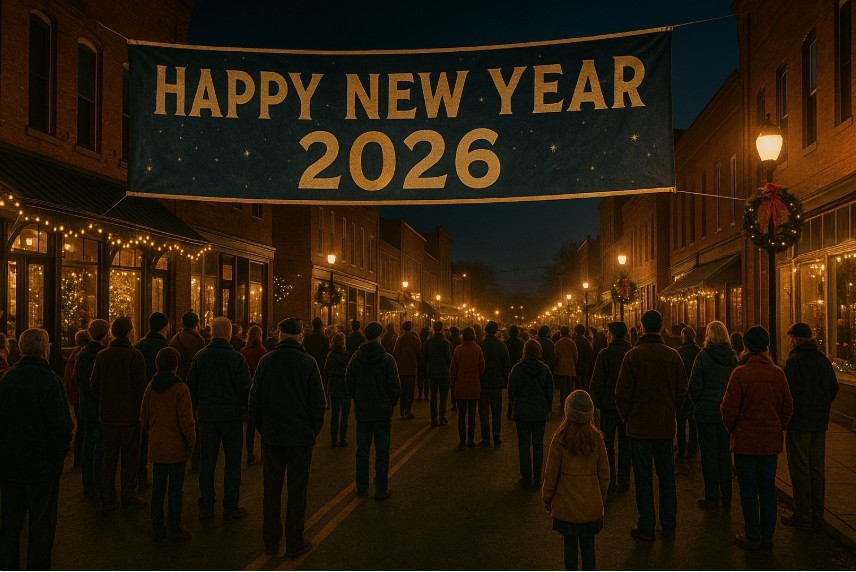
As December turns to January, the dominant image of New Year’s Eve in America still looks the same: loud music, packed rooms, countdowns shouted over noise, and the expectation that everyone should be having the time of their lives.
But for introverts, this version of celebration has always felt misaligned. And in 2026, more people are finally saying that out loud.
Happy New Year 2026for introverts is not about rejecting joy. It is about choosing a form of joy that does not come with exhaustion attached.
Why Traditional New Year’s Feels Exhausting
For introverts, the problem with traditional New Year’s celebrations is not the event itself. It is the sensory overload and social demand that come with it.
Crowded spaces require constant awareness. Loud environments make conversation difficult. Staying out late disrupts routines that many introverts rely on for emotional balance. Add alcohol, forced small talk, and social expectations, and the night becomes something to endure rather than enjoy.
There is also a psychological layer. New Year’s Eve often comes with unspoken pressure to perform happiness. If you are not visibly excited, people assume something is wrong. For introverts, that pressure can feel more draining than the event itself.
By the time midnight arrives, many introverts are already depleted. Starting a new year in a state of exhaustion does not feel symbolic of renewal. It feels backwards.
That is why, in 2026, many introverts are redefining what celebration means.
Introvert-Friendly Celebration Ideas
Introvert-friendly New Year celebrations share one key principle: control over energy.
Some introverts choose to celebrate alone. This might involve cooking a favorite meal, watching a familiar movie, or spending time on a reflective activity like journaling or reading. Solitude, in this context, is not loneliness. It is restoration.
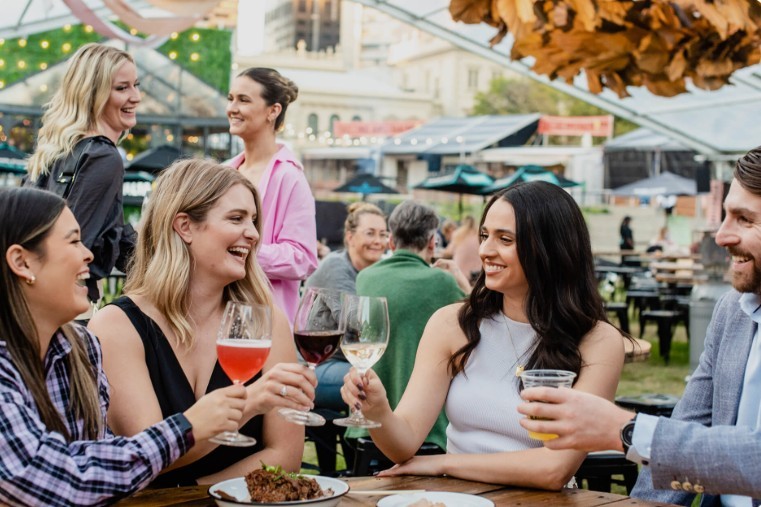
Others celebrate with one or two trusted people. A quiet dinner, a board game, or a shared walk can feel more meaningful than any party. The absence of noise allows connection to deepen rather than compete with distraction.
Another growing trend is celebrating earlier. Many introverts enjoy marking the transition before midnight, then going to bed at a normal time. Waking up rested on January 1 feels like a gift to themselves.
Some introverts skip December 31 entirely and focus on New Year’s Day instead. A morning routine, a slow breakfast, or a solo hike can feel like a cleaner beginning than a late-night countdown.
These choices reflect a broader shift toward intentional living. Celebration becomes something you design, not something you endure.
Social Pressure vs Personal Boundaries
One of the biggest challenges introverts face around New Year’s Eve is social pressure. Invitations often come with assumptions. Declining can feel awkward. Staying home can be misinterpreted as antisocial or sad.
In 2026, more introverts are learning to set boundaries without apology. They are recognizing that saying no to one kind of celebration is not saying no to connection or friendship.
Culturally, Americans are becoming more aware of personality differences. Introversion is increasingly understood as a preference, not a flaw. This awareness makes it easier to communicate boundaries honestly.
A simple response like “I’m keeping things low-key this year” is often enough. There is no need to justify energy limits or explain personality traits.
Introverts are also learning to let go of comparison. Seeing others celebrate loudly on social media no longer creates the same pressure. Many now recognize that those images represent one version of fun, not a universal standard.
Protecting energy is not selfish. For introverts, it is essential.
Redefining “Fun” in 2026
Perhaps the most important shift for introverts in 2026 is the redefinition of fun itself.
Fun does not have to be loud to be real. It does not have to involve crowds to be valid. It does not have to leave you exhausted to count as a celebration.
For introverts, fun often looks like comfort, depth, and presence. It might involve meaningful conversation, creative expression, or simply time to think.
This redefinition aligns with broader cultural changes. Americans are questioning long-held assumptions about productivity, success, and happiness. The idea that more stimulation equals more enjoyment is being replaced by a focus on quality over quantity.
In this environment, introvert-friendly celebrations are no longer fringe choices. They are part of a wider movement toward authenticity.
A Quieter Way to Welcome the Year
As Americans say Happy New Year 2026, introverts are leading by example. They are showing that celebration does not need to be performative to be meaningful.
Welcoming the new year quietly is not about withdrawal. It is about alignment. It is about starting the year with energy intact rather than borrowed.
For introverts, celebrating without the noise is not a compromise. It is the most honest way to begin again.
And in 2026, that honesty feels like something worth celebrating.
 Happy New Year 2026 Messages Americans Actually Want to Receive (Not Generic Wishes) Happy New Year 2026 Messages Americans Actually Want to Receive (Not Generic Wishes) In 2026, Americans are moving away from copy-paste greetings and embracing New Year messages that feel personal, honest, and human.happy new year 2026 messages |
 Why “Happy New Year 2026” Feels Different After Years of Uncertainty Why “Happy New Year 2026” Feels Different After Years of Uncertainty For many Americans, welcoming 2026 is less about celebration and more about cautious hope shaped by economic and social shifts. |
 Happy New Year 2026 at Home: The Rise of Personal New Year Rituals in America Happy New Year 2026 at Home: The Rise of Personal New Year Rituals in America More Americans are choosing to welcome 2026 at home, creating personal rituals that feel calmer, cheaper, and emotionally richer. |