Happy New Year 2026 Without Resolutions: Why Americans Are Letting Them Go

 Happy New Year 2026 at Home: The Rise of Personal New Year Rituals in America Happy New Year 2026 at Home: The Rise of Personal New Year Rituals in America More Americans are choosing to welcome 2026 at home, creating personal rituals that feel calmer, cheaper, and emotionally richer. |
 Happy New Year 2026: How Americans Are Quietly Redefining New Year’s Traditions Happy New Year 2026: How Americans Are Quietly Redefining New Year’s Traditions From skipping fireworks to choosing meaningful rituals at home, Americans are reshaping how they welcome 2026 in quieter, more intentional ways. |
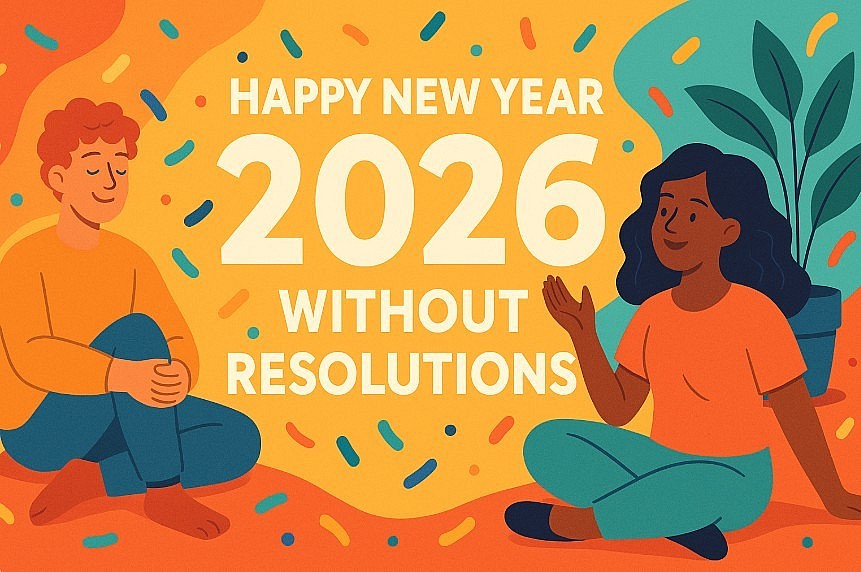 |
| Happy New Year 2026 Without Resolutions |
For generations, the start of a new year in America came with a familiar ritual: resolutions. Lose weight. Save more money. Be more productive. January was the month of bold promises and high expectations.
But as Happy New Year 2026 arrives, something has changed. More Americans are choosing to enter the year without resolutions at all. This is not apathy or lack of ambition. It is a deliberate rejection of a system that no longer feels helpful.
The rise of the anti-resolution mindset reveals a deeper shift in how Americans think about growth, health, and self-improvement.
Why Resolutions Often Fail
New Year’s resolutions fail for a simple reason: they are usually built on extremes.
Psychologically, resolutions tend to frame change as an all-or-nothing event. You are either committed or you have failed. This binary thinking creates pressure from the very beginning. When progress slows or life intervenes, people interpret normal setbacks as personal failure.
Resolutions also rely heavily on motivation, which is unstable. Motivation spikes in early January, then fades as routines return. Without systems to support change, good intentions collapse under daily reality.
Another issue is timing. January often follows an emotionally and financially draining season. Asking people to make major lifestyle changes immediately after the holidays ignores exhaustion and recovery needs.
As a result, happy new year 2026 resolutions feel less like hope and more like a setup for disappointment. Many Americans have experienced this cycle enough times to step away from it entirely.
 |
| New year 2026 |
Burnout Culture and a Mindset Shift
The decision to abandon resolutions cannot be separated from burnout culture. Years of constant adaptation, performance pressure, and self-optimization have left many Americans tired of being told to improve.
The traditional resolution model assumes that people are problems to be fixed. In contrast, the 2026 mindset increasingly views people as systems that need support, rest, and sustainability.
There is also growing awareness around mental health. Americans are more cautious about adopting goals that prioritize output over well-being. Pushing harder no longer feels like the answer.
Culturally, there is a shift away from dramatic transformation narratives. The idea that one decision on January 1 can change everything feels unrealistic. People now recognize that meaningful change is gradual and often invisible.
This explains the rising popularity of no New Year resolutions searches. Opting out has become a form of self-protection rather than lack of discipline.
What Americans Choose Instead
Instead of resolutions, Americans are choosing softer frameworks for growth.
One common alternative is habit orientation. Rather than committing to a result, people focus on small actions they can repeat. Walking after dinner. Drinking more water. Reading before bed. These behaviors feel achievable and flexible.
Another approach is intention setting. Intentions describe direction, not obligation. An intention like “be more present” allows for variation and learning. It encourages awareness rather than perfection.
Some Americans choose a theme or word for the year. Words like “steady,” “care,” or “enough” guide decisions without turning into rigid rules. This approach works well for people who want meaning without measurement.
Others focus on subtraction instead of addition. Removing one draining commitment, one unhelpful habit, or one source of constant stress can feel more impactful than adding new goals.
These alternative New Year goals reflect a broader understanding that change works best when it fits real life.
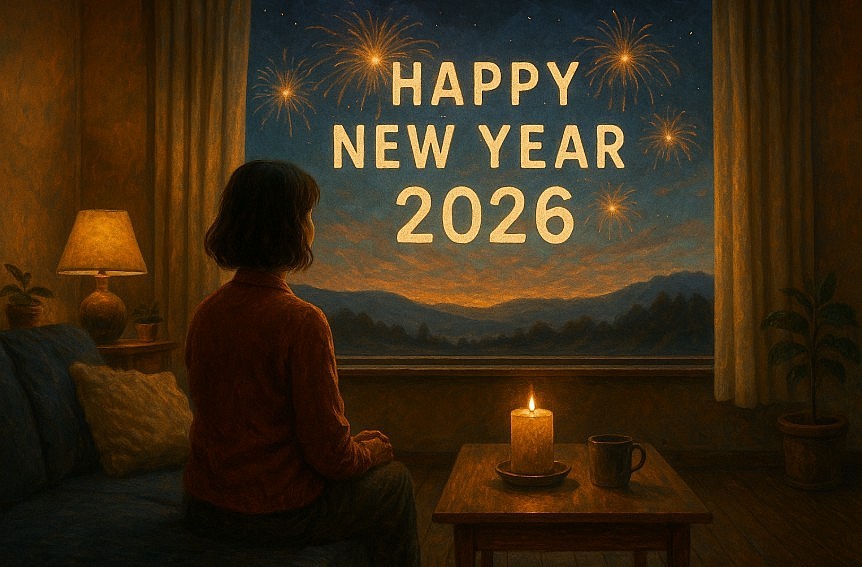 |
| More Americans are stepping away from the spectacle and choosing celebrations that feel calmer, smaller, and deeply personal |
Healthier Ways to Enter 2026
Entering 2026 without resolutions does not mean entering without hope. It means redefining what progress looks like.
A healthier approach begins with honesty. Americans are more willing to acknowledge limits, energy levels, and existing responsibilities. This realism creates room for sustainable change.
Another key element is self-compassion. People are learning to respond to setbacks with curiosity rather than criticism. This reduces shame and increases resilience.
There is also a shift toward long-term thinking. Instead of asking “What can I fix this year?” many are asking “What can I support over time?” This perspective aligns better with mental and physical health.
Finally, Americans are placing greater value on consistency over intensity. Small actions repeated across months matter more than dramatic starts that fade quickly.
As Happy New Year 2026 is exchanged across the country, it increasingly signals acceptance rather than pressure.
A Quieter Kind of Progress
Letting go of resolutions does not mean giving up on growth. It means choosing a form of progress that feels humane.
Americans are not rejecting effort. They are rejecting punishment disguised as motivation. They want systems that support them, not promises that shame them.
In 2026, the most meaningful New Year decision for many is not what to change, but how to care for themselves while changing.
And for a growing number of people, entering the year without resolutions feels like the most honest way to begin.
 Why We Celebrate New Year's Day? History, Significance, and Traditions Why We Celebrate New Year's Day? History, Significance, and Traditions Happy new year 2025: We explores the origins of New Year’s celebrations, their cultural importance, and the reasons why this day remains so special to ... |
 Top 50 New Year’s Messages to Send via WhatsApp to Family, Friends, and Colleagues Top 50 New Year’s Messages to Send via WhatsApp to Family, Friends, and Colleagues To help you share the festive spirit, we’ve compiled a list of 50 New Year’s messages tailored for different recipients. |
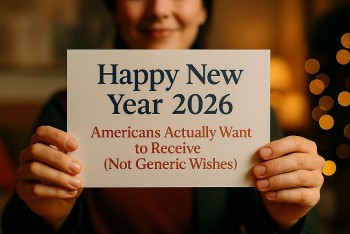 Happy New Year 2026 Messages Americans Actually Want to Receive (Not Generic Wishes) Happy New Year 2026 Messages Americans Actually Want to Receive (Not Generic Wishes) In 2026, Americans are moving away from copy-paste greetings and embracing New Year messages that feel personal, honest, and human.happy new year 2026 messages |
 Why “Happy New Year 2026” Feels Different After Years of Uncertainty Why “Happy New Year 2026” Feels Different After Years of Uncertainty For many Americans, welcoming 2026 is less about celebration and more about cautious hope shaped by economic and social shifts. |