Happy New Year 2026 at Home: The Rise of Personal New Year Rituals in America

 Happy New Year 2026 Messages Americans Actually Want to Receive (Not Generic Wishes) Happy New Year 2026 Messages Americans Actually Want to Receive (Not Generic Wishes) In 2026, Americans are moving away from copy-paste greetings and embracing New Year messages that feel personal, honest, and human.happy new year 2026 messages |
 Why “Happy New Year 2026” Feels Different After Years of Uncertainty Why “Happy New Year 2026” Feels Different After Years of Uncertainty For many Americans, welcoming 2026 is less about celebration and more about cautious hope shaped by economic and social shifts. |
 Happy New Year 2026: How Americans Are Quietly Redefining New Year’s Traditions Happy New Year 2026: How Americans Are Quietly Redefining New Year’s Traditions From skipping fireworks to choosing meaningful rituals at home, Americans are reshaping how they welcome 2026 in quieter, more intentional ways. |
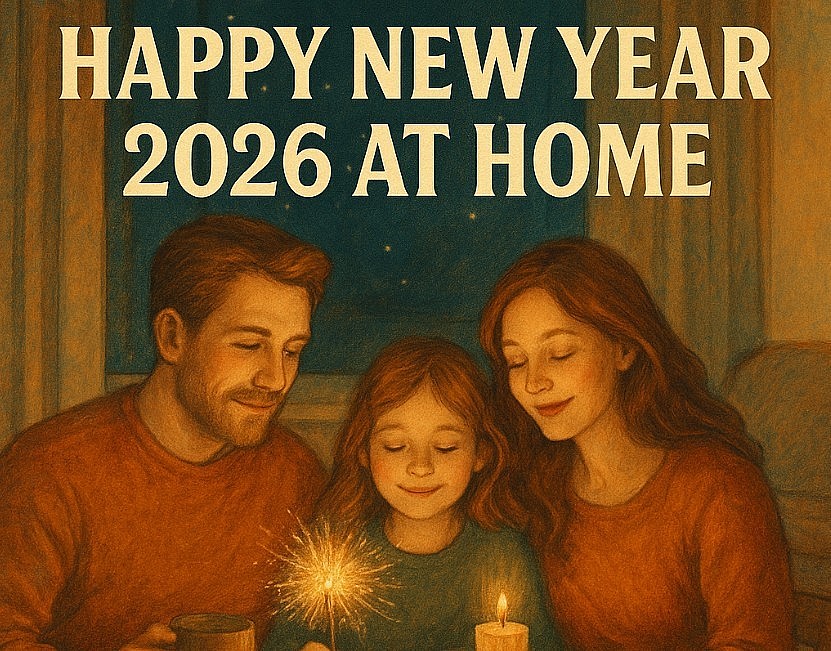 |
| Happy New Year 2026 at Home |
As the clock approaches midnight on December 31, 2025, many American homes will be quietly lit. No crowded bars. No packed city squares. No pressure to dress up or stay out late. Instead, people will be at kitchen tables, on couches, or already in bed, welcoming the new year on their own terms.
For a growing number of Americans, Happy New Year 2026at home is not a compromise. It is the preferred choice.
Why Staying Home Is Trending
The rise of at-home New Year celebrations is rooted in both practicality and emotion. On a basic level, staying home is easier. It avoids traffic, high costs, and logistical stress. For families, adults with demanding jobs, and introverts, the appeal is obvious.
But convenience alone does not explain the trend.
After years marked by uncertainty and constant adaptation, many Americans are reevaluating how they spend emotionally charged moments. New Year’s Eve, once associated with spectacle, now feels like an opportunity for rest and reflection.
There is also a shift in how people define fun. Loud environments and forced socializing no longer feel rewarding to everyone. Many adults want to begin the year feeling grounded rather than depleted.
This mindset aligns with broader changes in lifestyle priorities. Choosing to stay home is increasingly seen as intentional, not antisocial. It reflects confidence in personal needs rather than adherence to tradition.
As a result, stay home New Year celebration searches are steadily rising, especially among adults over 30 and households with children.
Popular At-Home Rituals in 2026
At-home New Year rituals in America are diverse, but they share a common theme: meaning over performance.
One popular ritual is the shared meal. Families or couples cook a favorite dish together, often something comforting rather than festive. The act of cooking becomes part of the celebration, slowing down the evening and encouraging conversation.
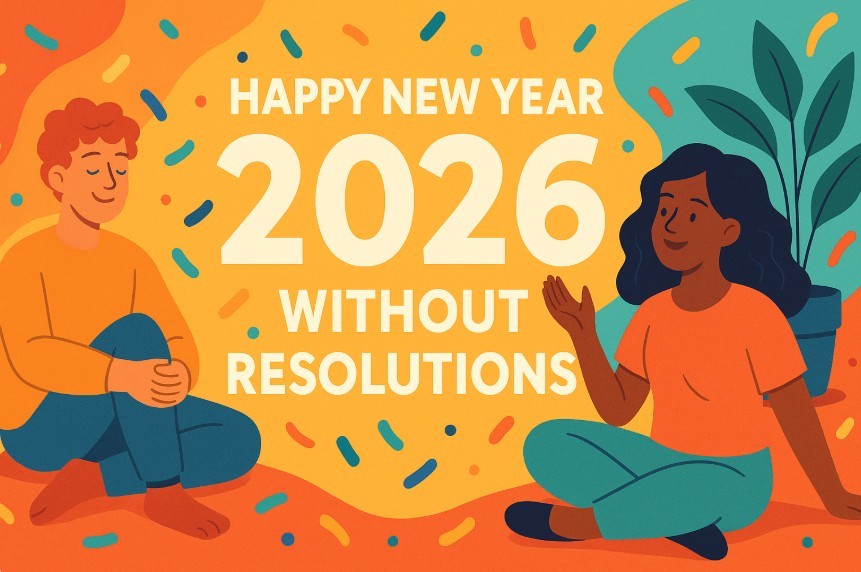
Another common ritual is reflection without pressure. Instead of resolutions, people review the year by asking simple questions: What worked? What drained energy? What deserves more space next year? These conversations may happen aloud or privately in a journal.
Many households mark the new year earlier in the evening. Families with children often celebrate at 8 or 9 p.m., complete with sparkling cider and countdowns adjusted to bedtime schedules. This flexibility removes stress while preserving the sense of occasion.
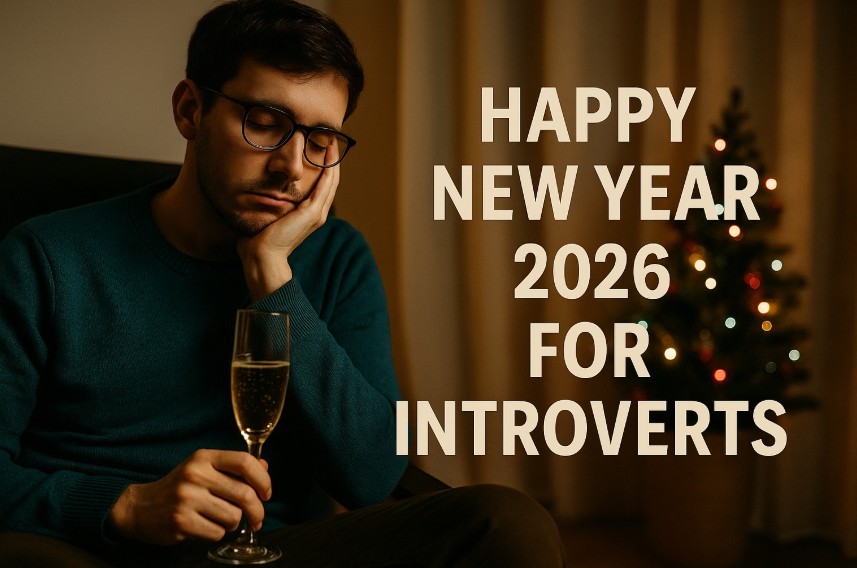
Solo rituals are also gaining popularity. Introverts and single adults might welcome 2026 with a long walk, a favorite movie, or a quiet moment before sleep. For them, celebration is internal rather than external.
These new year rituals in America reflect a broader acceptance that meaningful moments do not need an audience.
 |
| New year 2026 |
A Cultural Shift Toward Slow Living
The popularity of at-home New Year rituals is part of a wider cultural movement toward slow living. Americans are increasingly questioning the idea that bigger, louder, and busier is always better.
Slow living emphasizes intention, presence, and sustainability. It encourages people to design routines that support long-term well-being rather than short-term excitement.
New Year’s Eve fits naturally into this philosophy. Instead of starting the year overstimulated, people want to begin with clarity. Instead of chasing novelty, they seek continuity.
This shift is particularly strong among adults who have experienced burnout or major life transitions. For them, staying home is not about withdrawal. It is about recovery.
In 2026, celebrating at home is often framed as self-respect. It acknowledges limits and prioritizes emotional health. That mindset resonates deeply with families and introverts, but it is spreading across age groups.
How to Design Your Own At-Home Ritual
Creating a personal New Year ritual does not require planning something elaborate. The most effective rituals are simple and repeatable.
Start by deciding what you want the evening to feel like. Calm, hopeful, reflective, or joyful. Let that feeling guide your choices.
Choose one or two activities that support that mood. This might be cooking, writing, listening to music, or sharing a conversation. Avoid trying to recreate a party atmosphere if that is not what you enjoy.
Timing matters as well. You do not need to stay awake until midnight if it feels forced. The ritual can happen earlier in the evening or the next morning. The meaning comes from intention, not the clock.
Finally, remove unnecessary expectations. Your ritual does not need to be productive or symbolic. It only needs to feel right for you.
For many Americans, designing a personal ritual is a way to reclaim agency over a moment that once felt socially scripted.
A Quieter, Richer Beginning
As Americans say Happy New Year 2026 at home, they are redefining what celebration looks like. The shift toward personal rituals reflects deeper values: emotional awareness, simplicity, and choice.
Staying home is no longer about opting out. It is about opting in to a version of the New Year that feels honest and sustainable.
In a culture learning to slow down, the most meaningful way to welcome 2026 may be the simplest one. At home, in quiet moments, with rituals that belong only to those who create them.