Who Is Jimena Araya, Alias “Rosita”? Venezuelan Model Turned DJ Sanctioned in the US Over TDA Gang Links

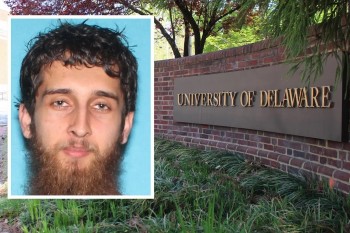
Jimena Araya has been a well-known public figure in Venezuela for more than a decade. She built her name first through modeling and acting, then as a touring DJ with a strong online following. But behind the glamorous image, her story has been shadowed by persistent allegations of ties to one of Venezuela’s most dangerous criminal organizations.
In 2024, those claims reached a new peak when the United States government imposed sanctions on Araya, accusing her of supporting the gang known as Tren de Aragua (TDA). The decision pushed her into the international spotlight and raised questions about how a celebrity with mainstream visibility became entangled with a transnational crime group feared across Latin America.
 |
| Jimena Araya, also known as Rosita, is a Venezuelan model with millions of social media followers |
A Public Career Built on TV, Modeling, and Music
Jimena Araya Quintero was born in Maracay, Venezuela, in 1984. By the late 2000s she had become a recognizable face on Venezuelan television, most notably for her role as “Rosita” on the comedy show A Que Te Ríes, which aired on Venevisión. The bubbly, comedic character made her popular with younger audiences and helped turn “Rosita” into a household nickname.
She also worked as a model, appearing in magazines and promotional campaigns. After her TV career slowed, Araya reinvented herself as DJ Nena Sexy, performing in clubs across Venezuela, Peru, Dominican Republic, and other Latin American countries. Her social media presence grew steadily, boosted by photoshoots, event promotions, and collaborations with nightlife venues.
For years, Araya largely maintained the image of an entertainer who mixed celebrity appeal with a high-energy DJ persona. Yet even during her rise in the entertainment world, rumors followed her, linking her to prison gangs inside Venezuela’s troubled penitentiary system.
The Early Allegations: Rosita and the Prisons
Araya’s first major national scandal emerged in 2012, when she was accused of helping inmates escape from Tocorón Prison, one of Venezuela’s most notorious facilities. Authorities claimed she had personal connections with powerful prisoners and had assisted in communications that facilitated an escape attempt.
She denied the allegations, and although she was detained, she was later released for lack of evidence. Still, the episode left a mark on her public image. Tocorón would later become known as the headquarters of Tren de Aragua, the gang now blamed for violent operations in Venezuela, Chile, Peru, Bolivia, and Colombia.
Araya’s name continued to appear periodically in reports about the gang’s lifestyle inside the prison. Images circulated on social media allegedly showing her visiting Tocorón, though she often rejected the claims as fabricated or taken out of context.
Despite the controversy, she resumed her entertainment career. By 2015, she was touring again as a DJ. For a time, it seemed the allegations might fade.
Who Is Tren de Aragua?
To understand why Araya’s case matters, it is necessary to grasp what Tren de Aragua represents today.
Tren de Aragua began as a criminal structure inside Venezuelan prisons, growing under a system known as “pranes”, in which inmate leaders run internal economies with surprising autonomy. Over the past decade, TDA expanded outside prison walls and evolved into a sprawling transnational gang involved in:
-
human trafficking
-
extortion
-
kidnapping
-
illegal mining
-
arms trafficking
-
drug distribution
The group has exploited Venezuela’s migration crisis to extend its reach across borders, embedding cells in countries where millions of Venezuelans have resettled.
By 2023, police forces across South America were calling TDA one of the fastest-growing criminal networks in the region. In September that year, Venezuela’s government launched an unprecedented raid on Tocorón Prison to dismantle the gang’s base of operations.
The US Sanctions: What They Say
In 2024, the United States Treasury Department announced sanctions against several individuals allegedly linked to Tren de Aragua. Among them was Jimena Araya, listed under her legal name but widely recognized by the nickname “Rosita”.
According to the US Treasury’s statement, Araya had:
-
provided logistical support to TDA members
-
assisted in travel and communications for gang leaders
-
benefited financially from her association with the organization
The sanctions freeze any US-based assets and prohibit American individuals or companies from doing business with her. The announcement described her not just as an entertainer but as someone who used her public persona to facilitate connections for the gang.
Araya has publicly rejected the allegations. She insists her work as a DJ requires travel and engagement with many groups but denies any involvement with criminal activity. She has accused authorities of targeting her unfairly and claims she is the victim of misinformation.
Even so, the sanctions have placed her under intense scrutiny. International media outlets have highlighted the contrast between her glamorous public image and the serious accusations now tied to her name.
Why the Case Draws So Much Attention
1. A Celebrity with Alleged Gang Links
Cases in which entertainers are accused of supporting organized crime always draw attention, but in Venezuela the contrast is even stronger. Araya was known for comedy roles, dancing, and nightlife events. The suggestion that she may have been connected to an organization as violent as TDA adds a layer of shock and curiosity that fuels public debate.
2. A Symbol of TDA’s Cultural Reach
Tren de Aragua’s rise is not only criminal but cultural. The gang developed its own internal aesthetics, music, and social presence. Figures like Araya, whether intentionally or not, have become woven into that narrative. The US sanctions imply that TDA has drawn support from people outside traditional criminal circles.
3. Regional Security Concerns
TDA’s expansion is now a regional issue. Countries like Chile and Peru have launched major security operations to weaken the group. Any person accused of assisting its growth, especially one with cross-border travel and influence, becomes part of a larger security conversation.
4. Questions for Venezuela’s Entertainment Industry
Araya’s case raises broader questions about how Venezuela’s economic collapse has affected its entertainment sector. Many performers have had to travel, seek new revenue sources, and rely on personal networks to maintain their careers. In that environment, the line between entertainment circuits and criminal infiltration can become blurred.
Araya’s Life After the Sanctions
Since the sanctions were issued, Araya has remained active on social media, where she continues to promote appearances and music events. She often frames the accusations as political and emphasizes that she has never been convicted of any crime, either in Venezuela or abroad.
Some promoters have reportedly paused bookings involving her due to legal uncertainty. Others continue to work with her, especially in markets where US sanctions do not carry direct enforcement but still create reputational risks.
Behind the scenes, legal experts say the sanctions could limit her ability to travel, move funds, or work with international partners. Even without criminal charges, sanctions alone are often enough to reshape a public figure’s career.
What Comes Next?
The future of Jimena Araya’s public life depends on several factors:
1. Whether Venezuela or other countries pursue legal cases
So far, no new charges have been formally announced against her in Venezuela, though investigations linked to TDA continue across the region.
2. Whether the US expands or revises the sanctions
Sanctions can be lifted, extended, or expanded depending on ongoing intelligence assessments.
3. How the public responds
Araya still has a loyal fan base. Some followers see the sanctions as an attack on her career. Others argue that the allegations align with long-standing rumors.
4. How TDA evolves
If authorities weaken the gang significantly, interest in Araya’s alleged connections may fade. If the group remains active, scrutiny of anyone linked to it will continue.
A Case That Reflects a Larger Story
Jimena Araya’s trajectory is more than just the story of a celebrity caught in controversy. It reflects the broader collapse of Venezuela’s institutions over the past decade and the rise of criminal networks that filled the void. It also shows how public figures can become entangled, willingly or not, in the orbit of groups that wield both violence and influence.
Her case raises essential questions:
-
How far did TDA’s social network extend beyond prisons?
-
How easily can entertainers be pulled into criminal ecosystems?
-
What responsibility do governments have to protect or regulate celebrity industries in unstable environments?
There are no easy answers. What is clear is that Araya now stands at the center of a conflict between her public identity and allegations that place her near one of South America’s most feared criminal groups.
Conclusion
Jimena Araya, once known simply as “Rosita” the actress and DJ, is today a figure whose name is tied to far more than entertainment. The US sanctions against her have turned local gossip into a matter of international security. Whether she is vindicated or implicated further, her story illustrates the tension between celebrity culture and criminal power in modern Venezuela.
For now, the world watches to see how her case unfolds, how authorities respond, and whether the allegations reshape her career for good.
 Top 7 Weirdest and Craziest Things In Venezuela Top 7 Weirdest and Craziest Things In Venezuela Venezuela has long been recognized as a top travel destination due to its stunning natural landscapes and welcoming culture. But are you aware that there's ... |
 Top 16 Most Beautiful And Hottest Women in Venezuela 2024/25 Top 16 Most Beautiful And Hottest Women in Venezuela 2024/25 Venezuela is renowned for its exceptionally attractive, charismatic, delightful, and elegant women who captivate the global audience with their exceptional beauty, intellect, and unwavering resolve. |
 Trump Signals That He Has “Made Up His Mind” on Venezuela—What’s the Story? Trump Signals That He Has “Made Up His Mind” on Venezuela—What’s the Story? On November 14-15, 2025, President Donald J. Trump publicly indicated that he had “sort of made up [his] mind” about the next steps for U.S. ... |
 Caribbean on Edge: Why U.S.–Venezuela Tensions Are Reaching a Breaking Point Caribbean on Edge: Why U.S.–Venezuela Tensions Are Reaching a Breaking Point The Caribbean is entering its most volatile moment in years as the United States deploys 11 warships and 15,000 troops near Venezuela, increasing fears of ... |