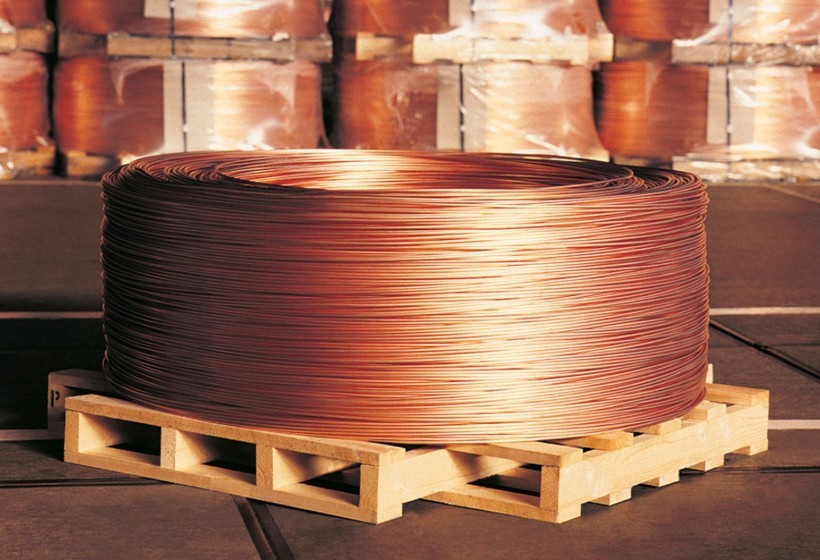
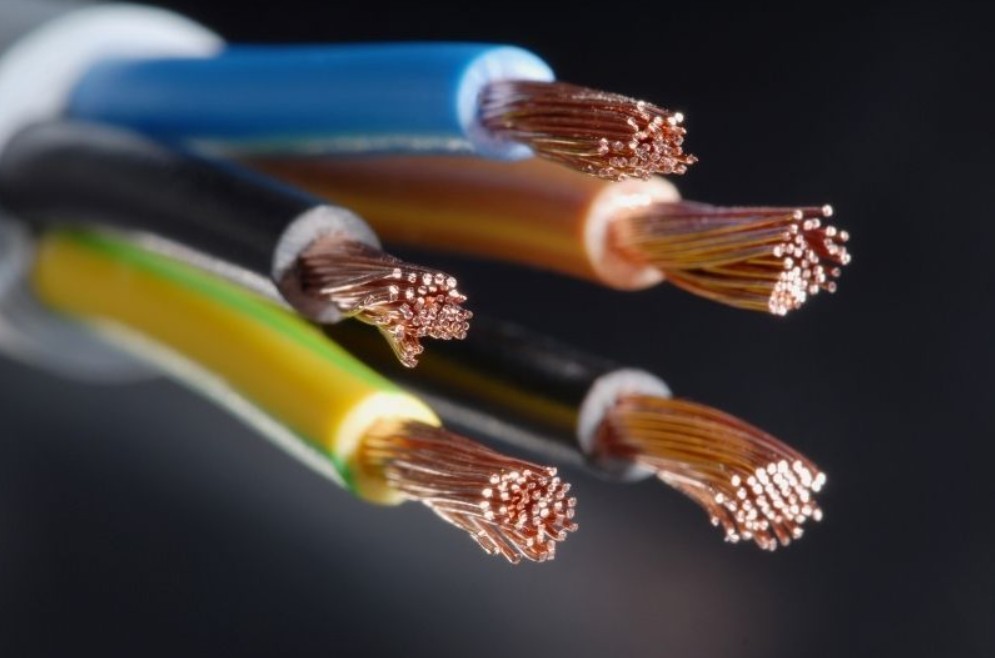
Will Copper Crash or Stay Elevated in 2026? Three Scenarios That Matter



 |
| Copper Price Forecast 2026: Three Scenarios Investors Need to Prepare For |
After Copper’s Historic Run, One Question Matters Most
Copper has already done the hard part. It shocked the market.
After lagging gold and silver, copper surged in 2025, climbing to levels that forced investors to rethink long-held assumptions about industrial metals. What once looked like a cyclical rebound started to resemble something bigger.
Now comes the tougher question: what happens next in 2026?
For retail investors, this is where many get it wrong. They focus on whether prices will fall tomorrow instead of asking whether copper is entering a new price regime.
To answer that, it helps to stop thinking in single forecasts and start thinking in scenarios.
Read more: Copper Just Had a Historic Run. What’s Driving the Rally—and What Comes Next?
| What is the copper price forecast for 2026? A: Most forecasts expect copper prices to cool from 2025 highs but remain elevated due to strong infrastructure demand and limited supply growth. Will copper prices crash in 2026? A: A crash would likely require a major global demand shock. Structural demand makes a prolonged collapse less likely. Is copper still a good investment after the rally? A: Copper remains a key indicator of electrification and infrastructure trends, but investors should expect volatility. |
Scenario 1: The Bull Case — A Higher-for-Longer Copper Market
In the bull case, copper doesn’t crash. It consolidates and then resumes its climb.
This scenario rests on three pillars.
First, electrification demand accelerates rather than slows. Power grids are already under strain, especially in the U.S. Data centers, AI workloads, and EV adoption are forcing utilities to invest faster than expected. These projects are copper-intensive and non-discretionary. Delays only make future costs worse.
Second, supply disappoints again. New mines continue to face delays from permitting, cost inflation, and political risk. Existing mines struggle with declining ore grades and operational disruptions. The market realizes that supply growth will not arrive on schedule.
Third, policy risk remains elevated. Trade measures, strategic stockpiling, and government focus on critical materials keep inventories unevenly distributed. That keeps regional tightness alive even if global balances look “adequate” on paper.
In this scenario, copper prices remain volatile but establish a higher floor. Pullbacks are shallow. Investors who wait for a return to old ranges never get it.
What would confirm the bull case?
-
Continued strength in U.S. grid spending
-
Persistent price premiums in North American markets
-
Ongoing mine disruptions or project delays
Scenario 2: The Base Case — Cooling Off, Not Collapsing
The base case is less dramatic but more likely.
Here, copper prices cool after the 2025 surge. Speculative positions unwind. Some inventories rebuild. Prices drift lower from peaks.
But they don’t crash.
Why? Because the underlying structure has changed. Even if demand growth slows modestly, it remains structurally higher than in past cycles. Utilities don’t cancel grid upgrades. Data centers don’t unplug. Governments don’t abandon electrification plans overnight.
At the same time, supply improves only incrementally. A few projects ramp up. Some disruptions ease. But the market never returns to a comfortable surplus.
Prices in this scenario settle into a wide range—lower than the highs, but well above pre-rally averages.
This is the outcome many banks quietly expect: not a bubble bursting, but a market adjusting to a new equilibrium.
What would support the base case?
-
Stabilizing inventories across regions
-
Slower but steady infrastructure spending
-
Fewer supply shocks, but no surge in new output
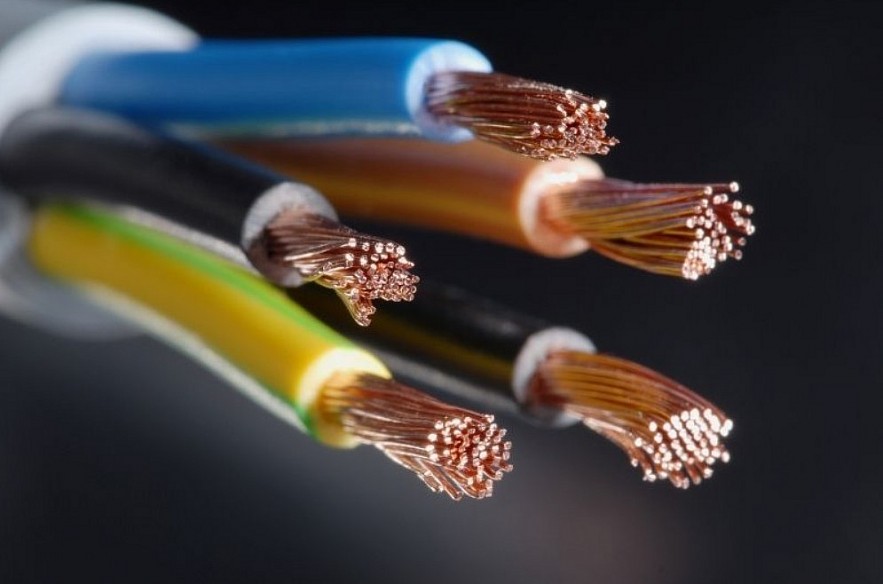 |
| Copper Prices Are Exploding After Gold and Silver. Here’s What’s Really Going On |
Scenario 3: The Bear Case — Demand Shock Breaks the Rally
The bear case requires something to go wrong on the demand side.
That could come from a sharp global slowdown, a major recession, or a significant pullback in China’s industrial activity. In this world, copper demand weakens faster than supply can adjust.
Inventories build. Spot prices fall. Momentum traders exit.
Even here, though, the downside may be more limited than in past cycles. Long-term infrastructure projects don’t vanish entirely. Governments tend to respond to downturns with stimulus, often aimed at construction and energy systems—both copper-heavy.
So while prices could fall sharply in the short term, sustaining very low prices would be difficult unless the slowdown is severe and prolonged.
What would signal the bear case?
-
Clear evidence of demand destruction, not just slower growth
-
Rising inventories across all major exchanges
-
Broad cuts to infrastructure and utility spending
Why 2026 Is Different From Past Cycles
Historically, copper booms ended the same way: high prices triggered supply, demand cooled, and prices fell back.
That playbook is less reliable now.
The world is rebuilding its electrical system while running it harder than ever. That creates a baseline level of demand that didn’t exist in prior decades. At the same time, mining has become slower, more expensive, and more politically complex.
The result is a market that reacts faster to stress and recovers more slowly from shocks.
That doesn’t mean prices only go up. It means volatility lives at a higher altitude.
What Retail Investors Should Actually Watch
Instead of guessing price targets, investors should track signals that indicate which scenario is playing out.
Key indicators for 2026:
-
Regional inventory trends, not just global totals
-
U.S. and Europe grid investment announcements
-
Copper price spreads between major markets
-
News on mine disruptions, delays, or cost overruns
-
Policy signals around trade and critical materials
These indicators often move before prices do.
How This Outlook Affects Other Metals
Copper doesn’t trade in isolation.
If copper stays elevated, it supports silver, which shares industrial demand through electronics and energy systems. It also benefits aluminum, used heavily in power transmission, and pressures nickel and zinc markets through substitution and cost dynamics.
If copper weakens sharply, it may signal broader industrial softness rather than a problem unique to copper itself.
Either way, copper remains the bellwether.
Bottom Line
Copper’s 2025 rally wasn’t random. It exposed stress points in the physical economy that investors had ignored.
In 2026, prices may cool. They may even fall sharply for a time. But the odds of copper quietly drifting back to old norms look slim.
For investors, the smarter question isn’t “Will copper pull back?” It’s “What does copper’s floor look like now?”
That answer will shape portfolios far beyond the metals market.